
China: students think journalism can change the world

Every once in a while, I am knocked flat by the students in China. They ask for more work on top of the piles I already require. They call journalism heroic because it can really change things. Today, one pointed to Upton Sinclair’s masterwork, “The Jungle,” and the development of U.S. food regulation, saying China needs to follow suit. And some know more than I do about America – such as one today who discussed tensions between the First and Fourteenth Amendments to our Constitution.

I’m getting spoiled here.

There are many things to love about teaching in China. I could start with the craving here for my specialty, business and economic journalism. These kids know what matters in the world and they know it’s not sports or entertainment. Every week, 30 motivated students come to class to wrestle with high concepts like comparative advantage and more pedestrian ones such as earnings per share. Each time, they’ve read the several chapters I assigned, as proved by the perfect scores (including answers to extra-credit questions) many get on my quizzes. They ask smart questions that make me think, some sending me to the reference books for answers. They pay attention. They can’t get enough of it all.

I ask them to compare coverage in different publications. Using Power Point presentations graced with artwork – leaves that flutter and drop is my favorite so far – they stand in front of the class and break down stories in such pubs as the Wall Street Journal and New York Times, as well as China Daily, and offerings by Reuters and Bloomberg. They discuss quotes (quality and quantity), numbers and levels of sources, variety in viewpoint. They apply every metric you could imagine, from numbers of paragraphs to the use or lack of use of active verbs. They talk about substance and style alike. Their textual analysis skills could humble Ph.D students in literature.
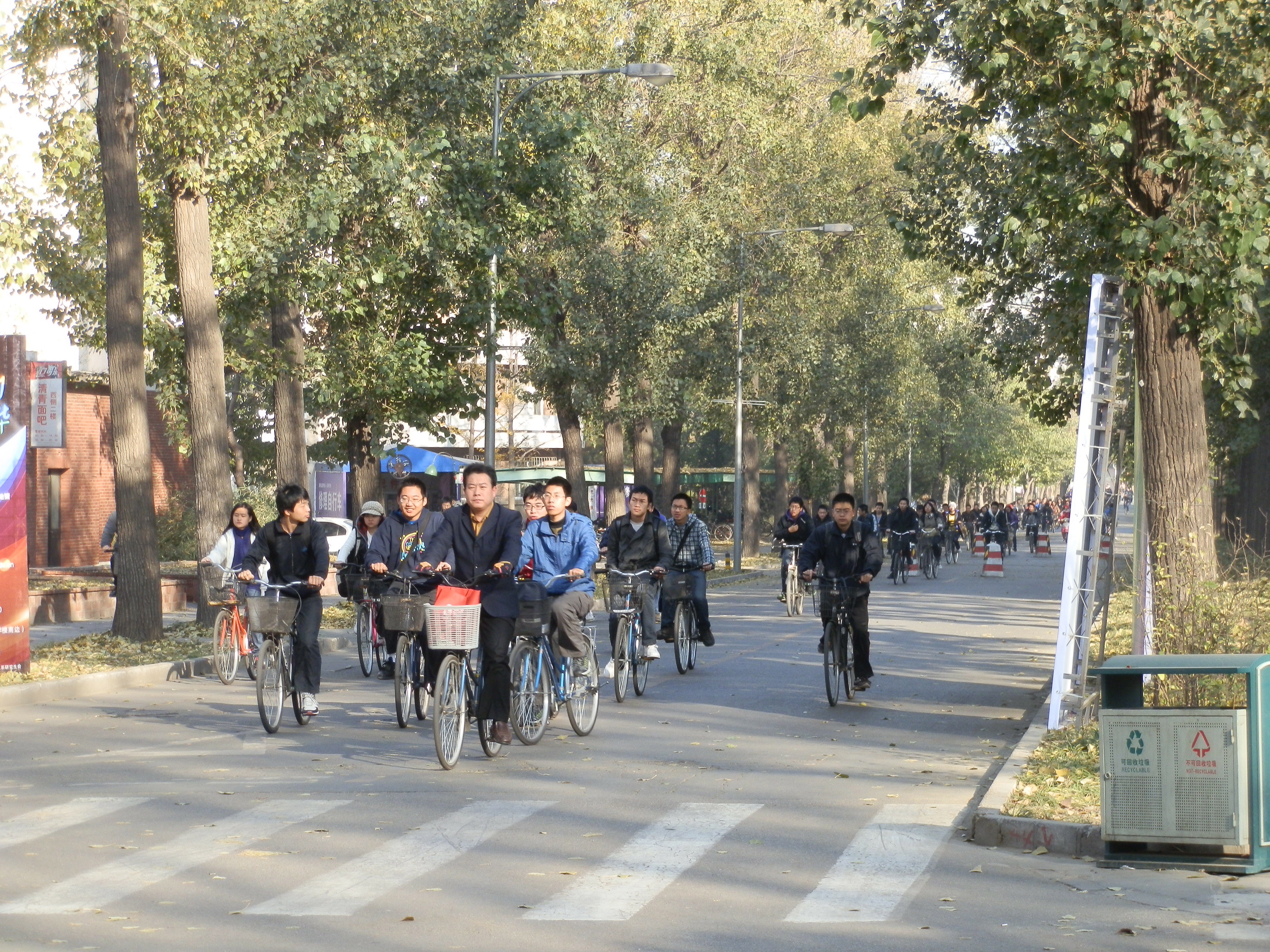
And these students, master’s candidates, do it all with a sense of innocence, earnestness and openness I rarely see in my undergrads at home. Not once have I heard a sarcastic comment. There’s none of the jadedness, boredom with life or cynicism that afflict American post-adolescents. And it’s not that they are naïve: one went undercover as an intern at his newspaper to work for many weeks in the alienating factory environment of Foxconn, a major manufacturer whose mind-numbing workplace culture may have led to a rash of suicides. He got a series of pieces out of it. Others talk of how police have beaten journalists. Still others talk admiringly of instructors whose investigative work has broken new ground in China.

It reminds me of the 1970s idealism that got me into journalism in the first place. Remember those days. We didn’t worry about the Internet. Instead we yearned to imitate Woodward and Bernstein. We weren’t plagued by phone-hacking or the likes of Jayson Blair, Janet Cooke, Stephen Glass and R. Foster Winans. Instead, we wanted to make a difference, tilting our lances against the dark forces. After journalists helped end the Vietnam War, we thought we could change the world.

Now, these kids are not so naïve as to think they won’t face a tough go if they plan to dislodge corruption in high places. They quote editors who’ve told them journalists must move fast to stay a step ahead of the censors. Indeed, the government periodically comes out with lists of topics that no longer can be written about. Chinese journalists don’t seem to compete with one another so much as they do with their official overseers. Maybe the kids know so much about the First Amendment because they lack such a hallowed (and often threatened) guarantee.

There are many other things to love about the kids here. There’s their candor. Consider this email one sent me the other day:

“Dear sir,
On the reporting for assignment 3, i have rewrite the article based on your suggestions, but as my English is not so good as others, so maybe there are still some mistakes in it. Advices is always welcomed and in fact, the more, the better.
I have learned a lot from your class and your detailed notes gave in our homework. So responsible and patient a teacher you are that i am extremely moved by the wonderful work you have did for us.
We love you, dear teacher.
Thanks and best wishes.”

How many American professors get notes like that? I’ve gotten thank-you notes from good, hard-working Nebraska students, but none have touched me quite so much as that one did. Once, too, the students liked a class so much they applauded at the end. How can a teacher not preen a bit? That kind of thing makes you feel like you are making a difference.

This week, I visited another school in Beijing, the University of International Business & Economics. A group of students and I had a wonderful chat on topics ranging from whether China had become too money-hungry and culture-blind (a politely contentious topic among the students) to discrimination against women in the workplace to concerns over American journalists getting smitten with billionaires and losing their feeling for working-class people. Clearly, they were smart, engaged students.

Nor have I ever felt quite as much like a rock star as I did in Chongqing, a sprawling central China city I visited a few weeks ago. Some 80 students – undergrads – turned out for a talk about business and economic journalism at the Southwest University of Political Science and Law. For nearly two hours, we talked about journalism. They broke into applause when I answered “no” to the question of whether I had ever been pressured by a political official over something I wrote. My journalism school at the University of Nebraska-Lincoln is setting up exchanges of students with SUPSL and I hope to host up to five in Nebraska in the spring. I can’t wait to see their reactions to life in the U.S.

Finally, there are the personal things. One student who had dug around the Internet found out that I like to run marathons. So last Sunday morning the student and two friends and I set out for a four-mile run around campus. It was the longest distance the kids had ever run and they felt great about it. For my part, I felt great that they did. One pronounced my running outfit “sexy.” It would have been nicer, of course, if that compliment came from one of the girls in the class, but, hey, it’s nice from anyone. Hearing it from a student more than 30 years younger than me is music to aging ears. That’s what happens in China — these kids strike just the right chords.

Spitzer, News of the World and The Tree of Life

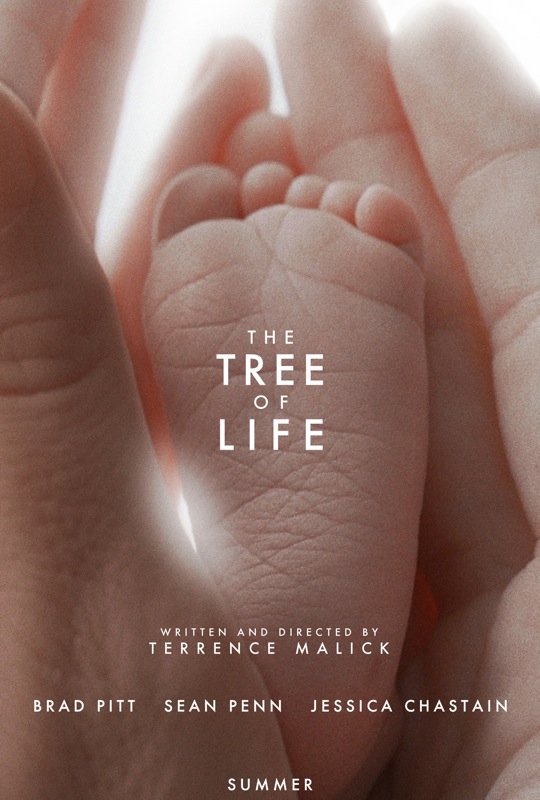
I just saw the Terrence Malick opus “The Tree of Life,” the 139-minute meditation on God, evil, love, death, evolution and a tortured upbringing in the 1950s. No date movie this, but it certainly gives a viewer something to chew on. Kind of like “2001” meets a dark, dark version of the Hardy Boys. It does have a ring of truth to it, despite its grand self-importance and distinct lack of humor.

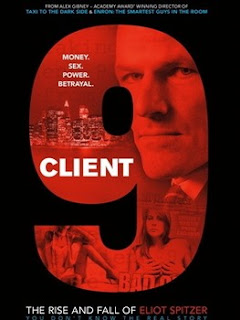
The peculiar thing is it puts me in mind of two unsettling developments in the news business this week, the cancellation of Eliot Spitzer’s effort at redemption, “In The Arena,” and the shutdown of the News of the World. The connection may seem remote – chalk and cheese — but bear with me, dear reader.

First off, both these deaths of journalistic enterprises were sad but perhaps inevitable, much like the death at the center of the movie. The movie revolves around the loss, at 19, of a young man whose problem seems to be his innocence, sensitivity and talent in a life that values such things too little. The boy’s passing was crucial to explore the movie’s central tension – the question of whether life is about grace and wonder or torment and struggle. Are we all doomed to life as a matter of “nature red in tooth and claw” or is there a divine force that brings love and justice to the chaos?

To bring this idea round to the end of the Spitzer program and the British tabloid, the question is, were these journalistic deaths just? Further, what do they say about the nature of the world of journalism today? What do they say about the torments and struggles of individuals and enterprises? And what do they say about the evolution of our media?

In Spitzer’s case, the cancellation at base was a matter of ratings and viewership. The show was just pulling too small of a viewership for CNN, which is struggling to compete with the ideologically driven appeal of Fox News, as well as the glut of “content” that afflicts all media in the Internet age. On one level, the show’s fall is yet another example of the evolution of journalism, with the inevitable deaths of outmoded approaches this brings.

A guy sitting at desk commenting on the news of the day, with interviews – especially of other CNN pundits – just doesn’t cut it these days. Viewers need more or they’ll turn away and troll for news and information on the Net or elsewhere on the tube. This is part of the reason that conventional TV news is struggling. Such is true also of print news operations.

But Spitzer’s fall was more than that. Spitzer is a tragic figure, someone every bit as tormented and driven as the character Brad Pitt plays in “The Tree of Life.” The Pitt figure longs to be a musician but instead is a would-be entrepreneur stuck in a deadend factory executive role. He’s tortured and in turn torments those around him, including his wife and sons, as he wrestles with a life where he sees only deception and money as the driving forces. He’s cold and distant, an angry and intense figure, a sad archetype of a certain kind of 1950s father.

Spitzer, it seems to me, is every bit as cold, and someone constantly at war with inner demons. By some accounts, during his tenure as Attorney General in New York he bullied defendants, especially corporate executives. He beat them into submission, often by going outside the rules of the courtroom. He likewise brought an intensity to “In The Arena” that reflected no humor, no grace, only a penetrating and cold intellect. He’s a smart guy and a relentless questioner, but every night was a painful struggle with issues of political venality and ideology.

How much of that can an audience take? It proved too much for most viewers, it would seem. Indeed, “The Tree of Life,” with its relentless intensity, is likewise too much at times. It has all the subtlety of a sledgehammer.

More than that, Spitzer lacked something indispensable to journalism. He had no innocence, something crucial in a news person. He carried far too much baggage as a disgraced former governor whose dalliances with prostitutes may never be forgotten. His demons made him fascinating in a way, as one could imagine the torment that underlay his aggressive questioning of guests. But it ultimately distracted from the core mission of a journalist – to be a reporter or analyst of the news, not a center of attention oneself but rather someone focusing the limelight.

Spitzer, much like the Brad Pitt character, is akin to a figure in classic Greek tragedy. Spitzer was done in by his own grand flaws in the end. He rose to great heights only to fall, twice. The Pitt character is more the tortured victim of outside forces, but his personal flaws figure into his failed home life.

Tragedy is too grand a word, however, for the News of the World case. Certainly it is discomfiting for the people tossed out of work there. And it’s a disappointment, perhaps, for the hundreds of thousands who bought the paper each week, however trashy it was. The world will be poorer, perhaps, for the silencing of yet another once-powerful journalistic voice. But by most accounts the paper was garbage. Its voice was shrill and vengeful and no exemplar of quality in the field. The loss is hardly worth grieving over.

It may be that News of the World demonstrates that there can be justice in the world. It was killed for its journalistic sins, its inability to draw lines about what newsgathering approaches are appropriate and what are not. Paying off cops and hacking into phone mail, as alleged of the paper, is just not right. Fleet Street in general should learn from this sorry case and one hopes that Rupert Murdoch’s commitment to quality papers, such as The Times, Sunday Times and The Wall Street Journal, will only be deepened by this. Maybe it could even make Fox News less shrill.

Sometimes, deaths are appropriate. That was not true in “The Tree of Life.” It may be so for “In The Arena” and the News of the World, sorry cases whose passing will help journalism evolve.

Private flaws, public failings — Spitzer and Edwards

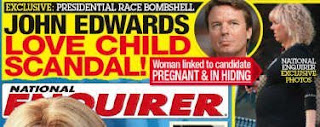
It was surreal watching CNN this past week, as former Presidential hopeful John Edwards was hit by a federal indictment in connection with his extramarital affair during the 2008 presidential campaign. The Edwards news was old hat. What was bizarre was watching a genuine expert in the realm, former N.Y. Gov.-turned-pundit, Eliot Spitzer, report on it all.

How rich can it get in the land of pols-turned-quasi-journos? Here was Edwards, a former U.S. Senator looking pathetic but still well-coiffed as he offered regrets but a denial of legal guilt. And there was Spitzer at his anchor desk for his prime-time showcase, “In The Arena,” recounting it all and soberly assessing the prosecutors’ chances. Here was one marital cheat talking to a national audience about the failings of another, while never mentioning his own perfidies, of course.

How can it be that national TV journalism has descended into a hall-of-mirrors world such as this? Where are Walter Cronkite, Tom Brokaw or Katie Couric when you need them? Even Lou Dobbs – whose former CNN show, with its dubious emphasis on point of view, seems to be Spitzer’s model – would have been better. At least, it would have been free of hypocrisy.

Don’t get me wrong about rehabilitation. I believe in second chances. And people do have a right to make a living, a right even to regain lost dignity. What’s more, Spitzer, unlike Edwards, was never indicted as a result of his secret dalliances. Spitzer in fact had the good sense to resign as governor in 2008, stepping out of that arena with an appropriate mea culpa and sequestering himself for a while as he presumably tried to get his hungers under control and keep his family together. He’s also a smart guy with some real experience that could be valuable – maybe outside of journalism.

But there remains something odd when one serial adulterer who plunged sullied from high public office sits at a gleaming high-tech news and commentary desk and opines about the misdoings of another. A viewer might have half-expected Spitzer to declaim, “well, back when I was stepping out on Silda, here’s how I stayed clear of prosecutors…”

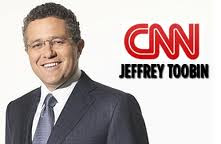
As it was, Spitzer instead interviewed a former prosecutor-turned-journalist, CNN legal analyst and New Yorker writer Jeffrey Toobin, about the prosecution’s risky case. That gave Spitzer a chance to hint, albeit briefly, that maybe prosecutors were abusing their discretion in pursuing the case (which has to do with the misuse of nearly $1 million in donated funds to conceal the affair). It would not have been out of place for Spitzer to compliment the enforcers who passed on pursuing him, even as he dallied with prostitutes first as New York’s attorney general and then as its governor.

One has to wonder what was going through Toobin’s mind. The guy, an author of much-praised books on the Supreme Court and other legal matters, is a professional journalist, not a pol. One imagines Toobin saying, “Well, Eliot, you’re right. The prosecutors who combed through the wiretaps in your case may have taken an unpopular stance in declining to charge you, but in legal terms …”

Of course, nothing of the kind happened. Instead, it was as if the ex-Gov. was just another journalist, another honest purveyor of the craft bringing truth to the benighted millions. The sad part is that CNN has plenty of legitimate journos – Anderson Cooper sits atop a long list. But for reasons that one suspects have to do with ratings, it chooses to be the vehicle for Spitzer’s return to the limelight.

As for the pathetic l’affaire Edwards, the doings of the former North Carolina Senator, onetime Democratic vice-presidential nominee and two-time Presidential aspirant offer still more lessons for journalists. This aw-shucks pol with the boy-next-door good looks is a bona fide member of quite a club of the ethically challenged. Members — some prosecuted, some not – include former governors, such as Spitzer, Rod Blagojevich of Illinois, James McGreevy of New Jersey and Mark Sanford of South Carolina, as well as former Idaho Sen. Larry Craig, former President Bill Clinton, former Israeli President Moshe Katsav and current Italian Prime Minister Silvio Berlusconi.

Each member’s tale is sordid in its own way and together they are interestingly nonpartisan. But the common denominator for all these disgraced leaders is the heady pursuit of sex, money or power – their outsize cravings for such things — and the blurring of the lines between right and wrong that can come with that. For reporters, these folks, including Spitzer, are the embodiment of the idea that vigilance is mandatory. Of course, that idea goes for real reporters – the Cronkite and Couric type — not the ersatz cable-host variety.

Do you remember when …? No? Join the club

A confession: I’m terrible with names. I can meet people at parties and forget their names in two sips of a gin and tonic. I’ve tried associating qualities with names: Sally is long and tall, Roxanne leaves a red light on, Bruce favors blue jeans and white T shirts. No luck. Faces are fine. Names, a problem.

I suspect I’m hardly alone in this. But, believe me, it’s not a good thing in a journalist. It’s no better in a teacher, who has to contend with as many as 50 new fresh-faced undergrads every semester. Making matters worse, half the kids sport the same long dark hair-dos and rarely wear anything but jeans.

So, it was interesting the other day when a group of us were talking about the tricks of memory. One fellow vividly recalls watching the Beatles debut on Ed Sullivan in a relative’s house, even remembering his position in the TV room. Problem is, his relatives didn’t live in that house at that time. Another friend mentioned how memories can’t be divorced from the words we use to describe them, so they’re shaped – perhaps distorted – by language. For my part, I fretted that I have few memories of my deceased parents’ faces, but instead recall photos of them.

It’s as if we don’t remember things first-hand. Incidents, people and places are all mediated through words or images. As Paul Simon might say, thank God for Kodachrome. It brings us those nice bright colors (or used to).

More peculiar, I think, is that many of us tend to recall bad things more easily than good or, at least, are affected more by nasty recollections. I have clear memories of slights or troubling childhood events and can summon up unpleasant images in a flash. It takes a bit of work to bring up the happy events.

Does this say something about one’s attitude toward life? Is a naturally happier person more likely to live in a world of upbeat memories? My friend, the Beatles fan, is a happy sort and has no trouble summoning up such a happy time, even if it didn’t quite happen that way. By contrast, does the dour person plague himself with bad recollections just to keep some dark guilt-inspired cloud hovering?

Perhaps we can blame the teachers, nuns, priests, rabbis, etc., who tortured us into profound feelings of guilt about our faults. They could take the tiny flaws in our character or behavior and grow them into gaping holes, making them loom large in person and in memory.

Certainly, personality seems to play a role in what we remember. I know several people who’ve grown up in the same houses with the same parents and yet seem to have had very different childhoods. Their recollections vary wildly, as the happy person bubbles over with cheery memories while the dour one only recalls the bleak moments.

As I chew over these things – oddly enough, on Memorial Day — I’m looking at a group of photos my wife and younger daughter have gathered. They’ll be used in an upcoming bridal shower for our older daughter. In one picture, that blonde-haired blue-eyed beauty, not quite of walking age yet, looks intently at a camera, dandled on the knee of a grinning dad with a full head of hair. Can that possibly have happened? Why is that sublime moment, an ordinary one really, lost to time except for a photo?

In another photo, all three kids stand before a fence with the Statue of Liberty far off in the distance. My gosh, were they cute. The youngest, who just beamed at her college graduation, flashed a smile to die for some 17 years ago or so. And can that handsome little guy on the left possibly be a military officer today, all grown up and serving at the moment in a dangerous place?

Lately, I’ve been photographing lots of things, in part because I need to develop a better facility with multimedia techniques. Job requires it. But my younger daughter and I just got back from a trip to the Grand Canyon in which she got pretty irritated at the camera. Why ruin the experience, she asked? Why do we want to take pictures anyway? Why not just enjoy the moment?

These are fair questions. But, graybeard that I am, I argued that pictures are not for showing friends where you’ve gone – nobody does that anymore. No, pictures are the ways we freeze time, which otherwise passes all too quickly. For a 22-year-old, the passage of time is inconsequential. For her father, it’s a different story.

Someday, she’ll dig through all those photos in our basement or troll through image banks on Facebook or its equivalent. She’ll laugh and weep at the memories they’ll conjure up. Will they be accurate memories? Probably not. But will they be true? In their own way, no doubt. Now, about those names, if anyone can recall some good tricks for keeping them in mind for just a semester or so …

Food bills rising? Let’s blame Wall Street.

Wonder why prices for food and other commodities are higher now than they were a decade ago? Forget the rise in population to nearly 7 billion souls. Disregard the astonishing expansion of economies in China and elsewhere. No, it’s the sinister folks at Goldman Sachs who have made wheat so costly.

We know this thanks to Foreign Policy, published by the Slate unit of the Washington Post Co. The revelation appeared April 27, under the headline “How Goldman Sachs Created the Food Crisis.” The subhed: “Don’t blame American appetites, rising oil prices, or genetically modified crops for rising food prices. Wall Street’s at fault for the spiraling cost of food.”

I share this because I continue to be amazed at how those evil folks, speculators, keep popping up as piñatas for politicians, conspiracy theorists and the ill-informed. Even smart people believe this pap. Witness President Obama’s recent attack on speculators for boosting gas prices, a fresh assault that includes a federal investigation. Clearly, the appeal of a bogus idea can be irresistible.

In the FP piece, Frederick Kaufman argues that the Goldman Sachs Commodity Index lays at the center of a nasty web of big-money players who have cast farmers into near-irrelevancy. Even “bona fide” big players –- including corporations that buy and sell cereals for use –- have been sidelined by speculators, he tells us. The speculator –- who “neither produces nor consumes corn or soy or wheat,” and thus is evil by definition, has risen to be a menace, Kaufman suggests. Speculators now vastly outnumber the legit folks thanks to the GSCI and the popularity of investment products based on the index.

To market-watchers, these ideas may pluck familiar strings. Kaufman sang the tune in a July 2010 Harper’s cover story, making few friends at Goldman. Steve Strongin, the firm’s head of Global Investment Research, fired back at the time: “Long-term trends, including increased meat consumption by the growing middle class in the emerging markets and the increased use of biofuels in the developed markets, have created a backdrop for global food shortages and, as a result, millions are left desperately exposed to the vagaries of the weather for their survival. It is a shame that the plight of these millions appears to merit a cover story in your magazine only when it is exploited as a pretext to launch unsubstantiated attacks against the financial industry.”

As his latest effort shows, however, Kaufman remains unbowed.

“Today, bankers and traders sit at the top of the food chain – the carnivores of the system, devouring everyone and everything below,” writes Kaufman, an associate professor of English and Journalism who can turn a phrase well. “Near the bottom toils the farmer. For him, the rising price of grain should have been a windfall, but speculation has also created spikes in everything the farmer must buy to grow his grain – from seed to fertilizer to diesel fuel. At the very bottom lies the consumer.”

Further, he suggests, people across the world are starving thanks to this system. Some 250 million people joined the ranks of the hungry in 2008, bringing the total of the world’s “food insecure” to 1 billion, a number never seen before. This, it appears, is the fault of the speculative fury that followed creation of the GSCI in 1991 and, worse, deregulation of futures in 1999. Prices have soared thanks to the rush of money, including a lot of dumb money, in the markets.

Finally, the author argues that the evil geniuses at Goldman Sachs rigged the game by devising the index as a long-only product. “Every time the due date of a long-only commodity index futures contract neared, bankers were required to ‘roll’ their multi-billion dollar backlog of buy orders over into the next futures contract, two or three months down the line,” he says. Evidently, none could ever cash out their stakes, a notion that may surprise those who have done so.

Kaufman offers a few nuggets of data — sort of — to buttress his argument. Mainly, he zeroes in on 2008 when commodities were lofted in a short-lived bubble. Hard spring wheat, usually $4-$6 a bushel, topped $25 at one point, he says. And he notes that the worldwide price of food rose 80% from 2005 to 2008 and has kept rising, though he doesn’t say what is being measured as food or who is doing the measuring.

But all that is beside the point. Kaufman omits the inconvenient truth that in the last decade prices have fallen, as well as risen, in commodities and commodity-linked investments. The iShares S&P GSCI Commodity-Index Trust jumped from about $50 a share in July 2006 to above $76 in June 2008, but plunged below $23 by February 2009 before clawing its way back to about $40 now. The wheat he refers to now fetches about $9 a bushel at the Minneapolis Grain Exchange, a far cry from $25. Long only or not, investors have made or lost money as prices roller-coastered. This escalator doesn’t have only an up button.

Certainly it’s possible that the surge of money into commodity-related products has made pricing more volatile. The growth of buyers and sellers in any market might do that. But, could they force an unbroken upward climb detached from basic supply and demand issues? That would ignore the global surge in demand for food and commodities. Moreover, it would be blind to drought, blight, excessive wetness at planting time and other weather-related factors — some of which figured into the February 2008 surge in wheat prices. Blame the billions of hungry folks out there, not Wall Street’s thousands.

Of course, Kaufman’s logical flaws don’t end there. His fingering Goldman’s index as the root of evil, especially because of its long-only nature, is at best silly. Plenty of other vehicles for commodity investing beckon. “Just because you cannot short through this fund does not mean that you cannot short elsewhere nor that you cannot sell your shares once you think prices have peaked,” says Craig R. MacPhee, an economist at the University of Nebraska-Lincoln who specializes in global development and trade. “There may be speculative buying that drives up prices at least temporarily, but I doubt that the GSCI has anything to do with it.”

Goldman isn’t taking Kaufman’s broadside laying down. Managing director Lucas Van Praag in a May 3 rebuttal argues that the writer “does not present any credible evidence that commodity index investing is responsible for the rise in food prices. Serious inquires, such as one conducted by the OECD in the wake of the 2008 price spike, have concluded that ‘index funds did not cause a bubble in commodity futures prices.’ Rather than destabilizing futures markets, commodity index funds provide them with a stable pool of capital, improving farmers’ ability to insure themselves against the risks inherent in agricultural prices. This, in turn, can allow farmers to produce more food at a lower cost.”

And, by the way, Goldman has not owned its index since 2007, when S&P acquired it. Goldman’s folks noted this in 2010 and reiterated it again in the rebuttal.

Regrettably, facts sometimes do get in the way of a good story. And suspicion of the futures markets may be inevitable. Farmers have cast a wary eye on Chicago sharpies for decades, resenting them for seemingly setting prices growers had to settle for. Never mind the underlying supply and demand curve or the combat among shorts and longs at the exchanges.

Today, most people don’t have a clue what goes on in these markets. Players who rely on opaque math and hunches are likely disinclined to share the secrets of their successes (or failures). And, yes, occasionally bad actors do try to game the markets. But if the folks at Goldman could pull off half the manipulation ill-informed writers suspect them of, they’d be a heck of lot richer than they already are and that’s saying something.

Face of the new journalism

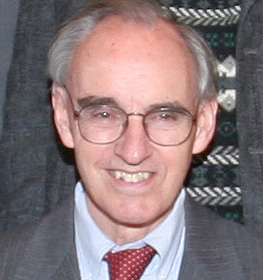
Business reporter John Rebchook’s face is worth studying. It may be the face of the new journalism – or at least one of them.

Let’s get to know him a bit. Some 30 years ago, John cut his teeth in journalism at the El Paso Herald-Post. While there he wrote a lede that proved memorable enough to be included in Mel Mencher’s Reporting and Writing textbook, one a lot of us grew up on. The lede went like this:

In less than three miles, Joseph L. Jody III ran six stop signs, changed lanes improperly four times, ran one red light, and drove 60 mph in a 30 mph zone all without a driver’s license. Two days later, he again drove without a driver’s license.
This time he ran a stop sign and drove 80 mph in a 45 mph zone. For his 16 moving violations Jody was fined $1,795.
He never paid. Police say that Jody has moved to Houston. Of the estimated 30,000 to 40,000 outstanding traffic warrants in police files, Jody owes the largest single amount.
Still, Jody’s fines account for a small part of at least $500,000 owed to the city in unpaid traffic warrants.
In February, Mayor Jonathan Rogers began a crackdown on scofflaws in order to retrieve some $838,000 in unpaid war¬rants. As of mid March, some $368,465 had been paid.

Clever, eh? It’s a classic example of the delayed lede, one that teases the reader a bit before getting to the point, or nut graf, of the story. Today, however, I suspect that such a lede would suffer a swift death in an editor’s keyboard. Even John, in his new life as a Web journalist, would likely spike it as ill-suited to our impatient, get-to-the-point times.

Nowadays, John’s prose goes more like this:

Colorado Attorney General John Suthers announced today that his office has filed a lawsuit against Western Sky Financial, a South Dakota-based online lender, and its principal, Martin A. Webb, for making unlicensed, high-interest loans to Colorado consumers.
According to the lawsuit, filed in Denver District Court, the company made more than 200 loans to Colorado consumers since at least March 2010, during which time it was not licensed with the state. The loans to ranged in value from $400 to $2,600 and had terms ranging from seven months to 36 months. The loans’ annual percentage rates ranged from 140 percent to 300 percent.

John’s reporting today can’t dally or tease. He gets to the point in part because he’s not writing for a newspaper any longer, but rather for his own blog, the pleasantly green-logoed Inside Real Estate News: Colorado’s Real Estate News Source.

John’s readers, like Net readers generally, have little patience for cleverness or meandering. They want the news at the top, so they can move on quickly if it doesn’t grab them. They don’t graze languidly, but rather rush to pull out the news that is relevant to their business. They take what they need and dash off to the next meeting.

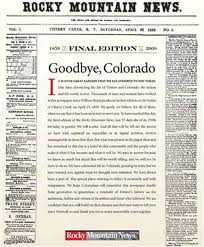
John, who worked at the Rocky Mountain News for some 26 years until it folded in 2009, is an example of a new kind of journalist. It’s not just his prose that makes him interesting. It’s his business.

When the Rocky died, John took his expertise as the paper’s longtime real estate editor and created his Net product. It’s a vehicle for and about players and projects in the real estate industry in Colorado. He has a few sponsors who pay for ads on his site and, he says, help him make a living (albeit not quite as cushy a living as when he was a veteran editor at the Rocky.)

As Inside Real Estate News grows, however, John expects that the returns will grow, too. He’s so confident in it that he recently turned down a job at a local weekly in Denver. He likes being his own boss, he says.

Lots of journalists may wind up running their own shows in coming years. Online reading is surging as traditional print newspapers struggle. And the fate of outfits such as The Huffington Post, recently sold to AOL for $315 million, suggest that the appetite for well-devised Web products is hefty. (John, would you settle for 1/315th of that?)

Of course, would-be Web journalists do have to bear a few things in mind, and John’s experience underscores them. First, he offers content that is in high demand, at least in certain circles. Much of what he does is specialized and it isn’t commodity news readily available in lots of other places. What’s more, he works fast, getting his news out ahead of the pack.

Finally, John is able to handle the business side of his operation, taking time to market his services to advertisers even as he stays on top of the news. He stays on top of the growth of the Net, too, putting out the word about his blog on Facebook.

John’s grinning punim isn’t the only look of journalism in the future. TV, magazines, and other vehicles will likely have a place, alongside some newspapers – on the Web or not. But take a close look at him anyway. Whether in textbooks or on the Net, he has plenty to teach us.

Making business journalism sexy (almost)

Looking for ways to make business journalism come alive for students? How about creating scavenger hunts for juicy tidbits in corporate government filings? What about mock press conferences that play PR and journalism students against one another? Then there are some sure bets – awarding $50 gift cards to local bars for mock stock-portfolio performances and showing students how to find the homes and salaries of university officials and other professors – including yourself — on the Net.

These were among the ideas savvy veteran instructors offered at the Business Journalism Professors Seminar last week at Arizona State University. The program, offered by the Donald W. Reynolds National Center for Business Journalism, brought together as fellows 15 profs from such universities as Columbia, Kansas State, Duquesne and Troy, as well as a couple schools in Beijing, the Central University of Finance & Economics and the University of International Business and Economics. I was privileged to be among those talented folks for the week.

We bandied about ideas for getting 20-year-olds (as well as fellow faculty and deans) excited about business journalism in the first place. The main answer was, of course, jobs. If they’d like good careers in journalism that pay well, offer lots of room to grow and that can be as challenging at age 45 as at 20, there really are few spots in the field to match. These days, with so much contraction in the field, business and economic coverage is one of the few bright spots, with opportunity rich at places such as Reuters, Bloomberg News, Dow Jones and the many Net places popping up.

The key, of course, is to persuade kids crazy for sports and entertainment that biz-econ coverage can be fun. The challenge is that many of them likely have never picked up the Wall Street Journal or done more than pass over the local rag’s biz page. The best counsel, offered by folks such as UNC Prof. Chris Roush, Ohio University’s Mark W. Tatge, Washington & Lee’s Pamela K. Luecke and Reynolds Center president Andrew Leckey, was to make the classes engaging, involve students through smart classroom techniques and thus build a following. Some folks, such as the University of Kansas’ James K. Gentry, even suggest sneaking economics and (shudder) math in by building in novel exercises with balance sheets and income statements.

Once you have the kids, these folks offered some cool ideas for keeping their interest:

— discuss stories on people the students can relate to, such as the recent Time cover on Mark Zuckerberg or the May 2003 piece in Fortune on Sheryl Crow and Steve Jobs, and make sure to flash them on the screen (at the risk of offending the more conservative kids, I might add the seminude photo BW ran of Richard Branson in 1998)

— scavenger hunts. Find nuggets of intriguing stuff in 10Ks or quarterly filings by local companies or familiar outfits such as Apple, Google, Coca-Cola, Buffalo Wild Wings, Hot Topic, The Buckle, Kellogg, etc., and craft a quiz of 20 or so questions to which the students must find the answers

— run contests in class to see who can guess a forthcoming unemployment rate, corporate quarterly EPS figure or inflation rate

— compare a local CEO’s pay with that of university professors, presidents or coaches, using proxy statements and Guidestar filings to find figures

— conduct field trips to local brokerage firm offices, businesses or, if possible, Fed facilities

— have student invest in mock stock portfolios and present a valuable prize at the end, such as a gift certificate or a subscription to The Economist (a bar gift card might be a bit more exciting to undergrads, I’d wager)

— follow economists’ blogs, such as Marginal Revolution and Economists Do It With Models, and get discussions going about opposing viewpoints

— turn students onto sites such as businessjournalism.org, Talking Biz News, and the College Business Journalism Consortium

— have students interview regular working people about their lives on the job

— discuss ethical problems that concern business reporters, using transgressors such as R. Foster Winans as examples. Other topics for ethical discussions might include questions about taking a thank-you bouquet of flowers from a CEO or traveling on company-paid trips, as well dating sources or questions about who pays for lunch

— discuss business journalism celebs, such as Lou Dobbs and Dan Dorfman

— discuss scandals such as the Chiquita International scandal (Cincinnati Enquirer paid $10 m and fired a reporter after he used stolen voicemails)

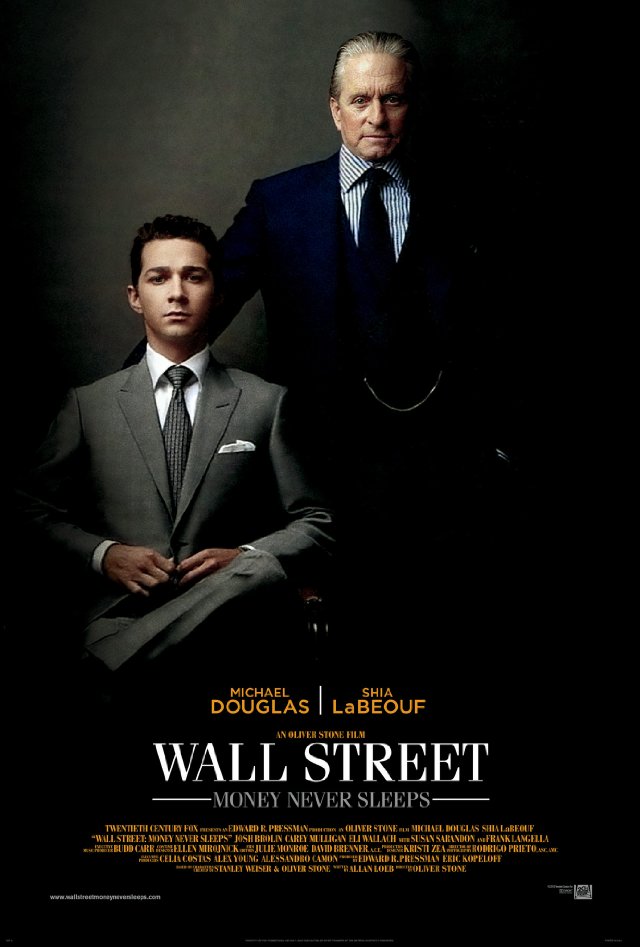
— use films such as “The Insider,” “Wall Street,” and “Social Network” to discuss business issues

— use short clips from various films to foster discussions of how businesses operate. Good example: “The Corporation”

— team up with PR instructors to stage a mock news conference competition pitting company execs in a crisis against journalism students. Great opportunity for both sides to strut their stuff.

We also heard helpful suggestions from employers, particularly Jodi Schneider of Bloomberg News and Ilana Lowery of the Phoenix Business Journal, along with handy ideas from Leckey and Reynolds executive director Linda Austin, a former business editor at the Philadelphia Inquirer. My biggest takeaway: run some mock job interviews with students and teach them to send handwritten thank-you notes.

And we were treated to some smart presentations by journalists Diana B. Henriques of the New York Times about the art of investigative work (look for her new Madoff book), the University of Nevada’s Alan Deutschman about the peculiar psychologies of CEOs (narcissists and psychopaths are not uncommon), the University of Missouri’s Randall Smith’s view of the future for business journalists (it’s raining everywhere but less on business areas). We got some fresh takes on computer-aided reporting, too, by Steve Doig of the ASU Walter Cronkite School of Journalism and Mass Communication as well as on social media by the Reynolds Center’s Robin J. Phillips.

For anyone interested in journalism, especially biz journalism, it was a great week. As I take the lessons from ASU to heart, my students will be better off. My thanks to the folks there.

There, there, dear: do tears belong in the classroom?

In “A League of Their Own,” that wonderful 1992 film, a young woman player makes a dunderheaded toss and breaks into tears as coach Jimmy Dugan (Tom Hanks) yells at her. “Are you crying?,” he asks, stunned. “There’s no crying! There’s no crying in baseball!”

Boy, can I feel for Dugan. So far, I’ve had to deal with four incidents of tears in school. One time, I believe, the bad toss was mine. In the other cases, well, I’d point to hormones, undergrads facing job-like pressure for the first time or sheltered young women beginning to discover the world isn’t such a kindly place.

Still, I felt as flummoxed as Dugan did. Making girls cry is something only a true jerk would ever feel good about. This is so, even though a wiser colleague at Nebraska, veteran teacher and hard-boiled journalist Kathy Christensen, tells me tears come automatically with breasts. She shrugs them off.

Just under three semesters into my academic career, I don’t find the waterworks easy to dismiss. But, dear reader, you be the judge. Let me know if I blew it or could have handled these situations better:

Case No. 1 – I encourage an outstanding magazine-writing student to pursue an internship with Bloomberg Businessweek, my old employer. Before Bloomberg bought it, the mag had a tradition of taking on bright young interns, most of whom had no business training but who had lots of smarts. A colleague at the mag looks over her materials and says she’d be a wonderful recruit and he could use her skills in projects on business schools; he recommends her, as do I.

But, in myriad ways big and small, BW has changed. Bloomberg has her take a three-hour online test, parts of which are heavy on business knowledge (of which she has none, as everyone involved knows). She fails badly and folks there tell her she’s not a candidate. She comes into my office, crushed and weeping.

So I feel like a heel. I put her into a bad spot, after all, and she suffers for it. It also doesn’t help my credibility with the new BW regime.

Was I wrong? If students are willing to take a test and do badly, is it my fault? I warned her there would be business material on the test, even reviewed some general things with her. But I didn’t realize how much the game had changed. Seems to me I blew it. Did I?

Case No. 2 – As is my normal practice, I flash a student’s paper on the screen from a classroom projector. As a class, we criticize the work. I point out the positives and negatives of the piece, and suggest ways it could be improved. It’s pretty benign and no different from other critiques. We’ve had many such critiques that day. The class doesn’t say much one way or the other about it.

The student waits a bit after the lights come up, but then mutters to me, “you gave me a terrible grade on the paper, then humiliated me in front of everyone. I’m done. That’s it.” And she storms out, furious and in tears.

Her grade, a C+, was not on the screen, though her name was (regular practice in these editing and review sessions). Also, while rushing out, she informs me she will drop another class with me that she had signed up for the following semester and, later, she tops it all of by giving me a scathing evaluation at the end of the course.

Is it wrong to criticize students’ work publicly? The class involved peer-editing, so students criticized one another’s work in every assignment. And, in journalism don’t we face critics every time a reader opens a paper and curses about something he or she reads? In the end, I don’t fault myself for this one, but the drama did throw me.

Case No. 3 – A student has promised a colleague that she would deliver a finished video about a trip the colleague and I took with eight students to Kazakhstan in May. The students are no longer in our classes; some have even graduated, so we have no real sway over them.

The due-date comes and she hasn’t got the goods, but has several legit-sounding reasons. The colleague and I bemoan the fact that several students are behind – a hassle he has had in prior classes – and he gets a bit hot about the general problem. It’s a big thorn in the side for him.

The student, a smart and delightful videographer, breaks into tears. She then begins to apologize, explaining that it’s the time of the month for her (she really said that), she’s got problems with moving to a new city and she’s been working and traveling nonstop for weeks. My heart, frankly, goes out to her. I say, it’s not you that’s the problem here; it’s the general issue of how we can get students to comply with deadlines. I’m sure you will get your work done (which eventually she does, at least most of her work).

When I complain to my colleague later that we shouldn’t be making girls cry, he says, “They make themselves cry.” It’s not his problem, but theirs, he suggests.

So, was she being manipulative? Were we right to rant? Is a deadline a deadline?

Case No. 4 – A top student interviews with an internship recruiter. She says a couple silly things – including asking whether she needs to tell her soccer league that she can’t referee for a week during the internship – and strikes a tone the recruiter says is arrogant. In fact, he tells me afterward that he’s written “humility?” several times on his notes about her.

She comes by and I tell her I’m going to give her some no-holds-barred criticism about her interview. It won’t help her, I say, if I mince words, so I don’t. I tell her precisely what the interviewer had told me, and advise that appearing arrogant cannot help in such settings. You’ve got to seem humble, even it’s just for appearances. She breaks into tears, denies arrogance and says she was not asking for a week off for soccer. He misunderstood, she says, pleadingly.

This is one where tough-love was warranted, I believe. Still, the waterworks were troublesome. My own self-criticism: do mock interviews with students first from now on, giving them pointers that can spare them from making such mistakes. (By the way, she got the internship).

So dear reader, what say you? Are tears something teachers should slough off? Is it better that our kids shed them before they get into the workplace, where the consequences of mistakes can be far uglier? And how would you advise someone, still mystified by the half-adult psyches of undergrads, to deal with them? I’m thinking maybe I’ll just tell the kids that there is still no crying in baseball.

A mentor’s passing

Chris Welles, a longtime editor at BUSINESS WEEK and former teacher of mine, died the other day. Chris Roush, who edits the blog Talking Biz News, ran the piece below.

I suspect it is one of many tributes to come about Welles, a major figure in business journalism.  I had occasion to write about Welles myself a few weeks ago. He and another former BW editor, Ron Krieger, introduced me to the foreign world of business journalism in 1980 at the Columbia J School. It’s not too great a stretch to say the pair changed my life.

Welles asked tough questions of business people, making for penetrating journalism. He had a hand in much of the best work BW published. Only time will tell, but I believe that BW peaked during Welles’ time there.

Some profound thoughts here by a former editor for us all at BW:

Ex-BusinessWeek editor Shepard fondly remembers Welles  — 2010.06.21

Talking Biz News asked Steve Shepard, the editor of BusinessWeek from 1985 to 2005, for some thoughts about business journalist Chris Welles, who worked at BusinessWeek for 13 years and died this weekend.

Here is what Shepard, now the dean at the CUNY Graduate School of Journalism, had to say:

“Chris Welles was a genuinely good guy with a journalistic soul. He very much believed that it was the job of the press to hold people in power accountable for their actions and to ferret out wrongdoing. He spent his career doing that, first as a writer, then as a senior editor at Business Week. From the late 1960s to the early 1980s, Chris was probably the premier business writer around, the guy who did the tough stories.

“In his early years, Chris was one of the regulator writers for Institutional Investor, an innovative magazine about Wall Street in the 1970s. He specialized in narrative accounts of shennaigans, abuses, and downfalls. He was also a very successful freelancer, contributing to New York magazine, among others. From 1977 to 1985, he headed the Walter Bagehot Fellowship Program in Business and Economics Journalism at Columbia University. I had served as the first director (1975-76) and Soma Golden the second (1976-77). The program ran into financial difficulties during Chris’s tenure, but he fought to continue it and eventually weathered the storm. Now called the Knight-Bagehot Fellowship Program in Business and Economics Journalism, it has just finished its 35th year as a mid-career opportunity for business journalists.

“When I was editor-in-chief of Business Week, I jumped at the chance to hire Chris in the mid 1980s as a senior writer specializing in investigative and narrative pieces. Though he was soft-spoken and always polite, he was a tenacious reporter with a passion to get the bad guys. I eventually promoted him to senior editor in the finance department because I figured his impact would be felt more by having him work with writers every week rather than write a piece himself every couple of months. And I wanted him to teach the next generation of upcoming reporters. Chris took to editing like a fish to water, passing along a lot of knowledge about finance, a lot of wisdom about reporting complex stories. He was respected and liked by his colleagues.

“Like Lou Gehrig in 1939, Chris started losing some of his skills, and nobody knew why. He was eventually diagnosed with early onset Alzheimer’s disease and retired from Business Week. It was a tragedy for him and his wife Nancy, and a terrible loss for all of us. He took business journalism to a new level, setting the bar ever higher for the rest of us. He has left a legacy for all of us to honor.”

Test Case: Capitalism’s Rise in Kazakhstan

Nineteen years after breaking free of the collapsed Soviet Union, Kazakhstan remains one of capitalism’s last frontiers. From its nascent stock exchange in the financial and commercial center of Almaty to the sprawling Abu Dhabi-like construction and institution-building under way in the capital city of Astana, the country continues to seek its footing economically. Its mixture of private enterprise and state direction, together with a benevolent strongman’s rule, would make the place a fascinating laboratory for an economist.

There’s no question that Kazakhstan is the economic powerhouse of Central Asia, the richest of the “stans” and the most politically stable. Its oil wealth in the Caspian Sea has already been staked out by China, Russia and the Western countries, especially the U.S. They covet its huge fields of reserves as strategically vital alternatives to Mideastern suppliers. About as big as Western Europe and far less populated, the country also boasts hefty supplies of uranium and just about every other mineral developed societies need.

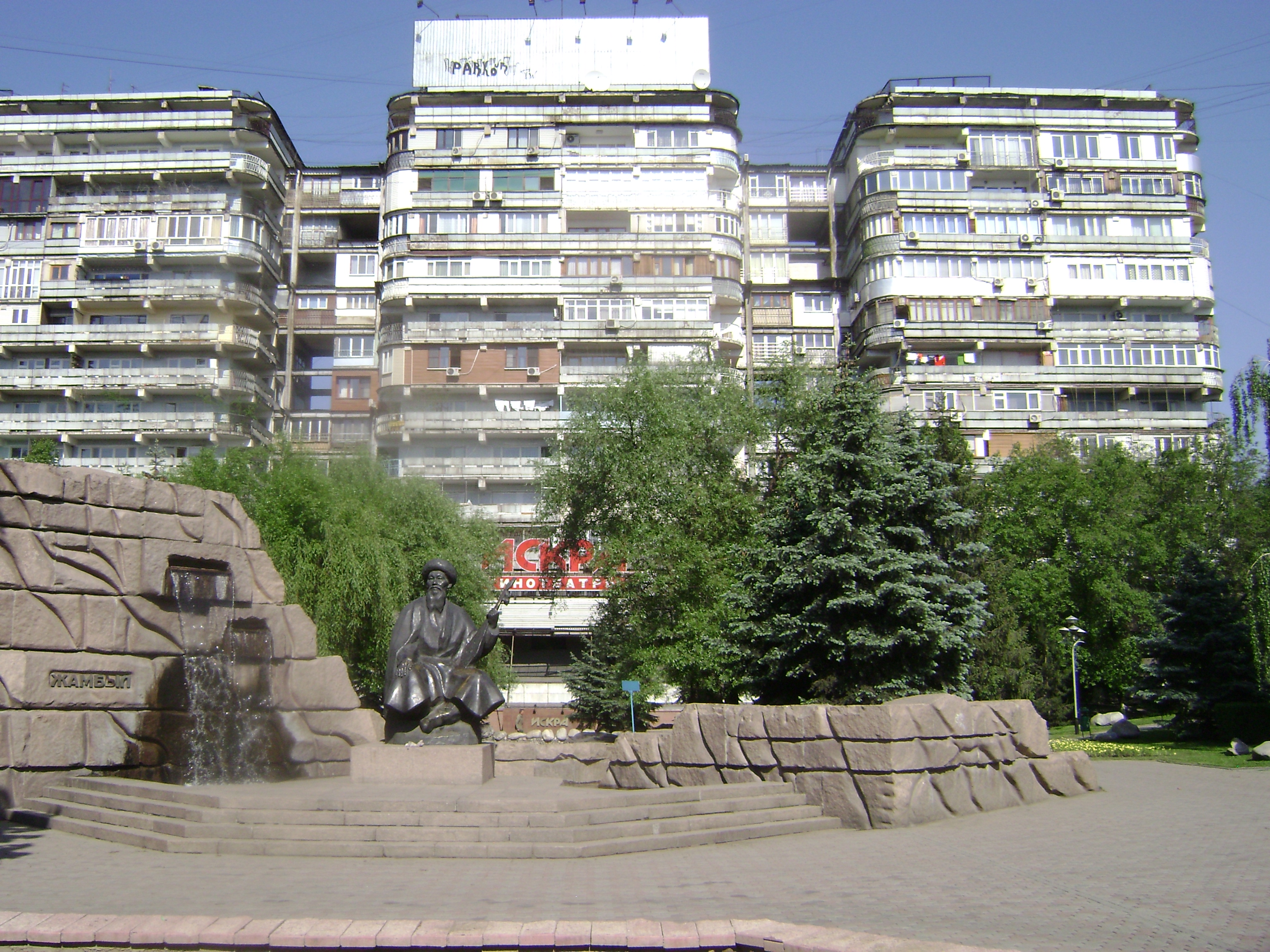
And yet, it has a long way to go to be a fully formed modern capitalist state. For one thing, many residents still  live in crumbling Soviet-era concrete apartment blocks that can stink of sewage, and feature dark cement staircases with missing windows and poorly planned and maintained common areas. Our apartments in gleaming, modern Astana would be low-end by South Bronx standards. Lines of trash bins next to playgrounds invite vermin hard by spots where kids play. The play area, surrounded by our five-story apartment buildings, is a vivid demonstration of the tragedy of the commons – overgrown and decaying with apparently no one to maintain it or at least to maintain it well. Similar buildings linger in Almaty, as in this photo of one sprawling tower block. (Click on it to see detail).

But in Astana people live in Soviet-era blocks, spread across the old area of the city, because the apartments were given to them free in the Soviet days. Even now, many can’t afford the stunning new buildings still under construction in the newer parts of the city. That housing is being privately developed and sold. Instead, people borrow to buy pricey cars – Mercedes-Benzes, Lexuses, Range Rovers and others dominate the jammed roads here. One of our guides says Kazakh people like to “show off” and they often go deeply into debt to drive glitzy cars. They also crave glitzy western brand names, as Gucci stores in Almaty suggest.

Certainly, people will occupy those shiny new buildings over time, though. The country is developing a solid middle class of well-schooled professionals, managers and state bureaucrats who will take to the new residences once their resources allow it. If nothing else, supply and demand will drop the prices of the new condos, one would think. The construction, driven by a real estate bubble that popped a couple years ago, still lumbers along, albeit at a slower rate.

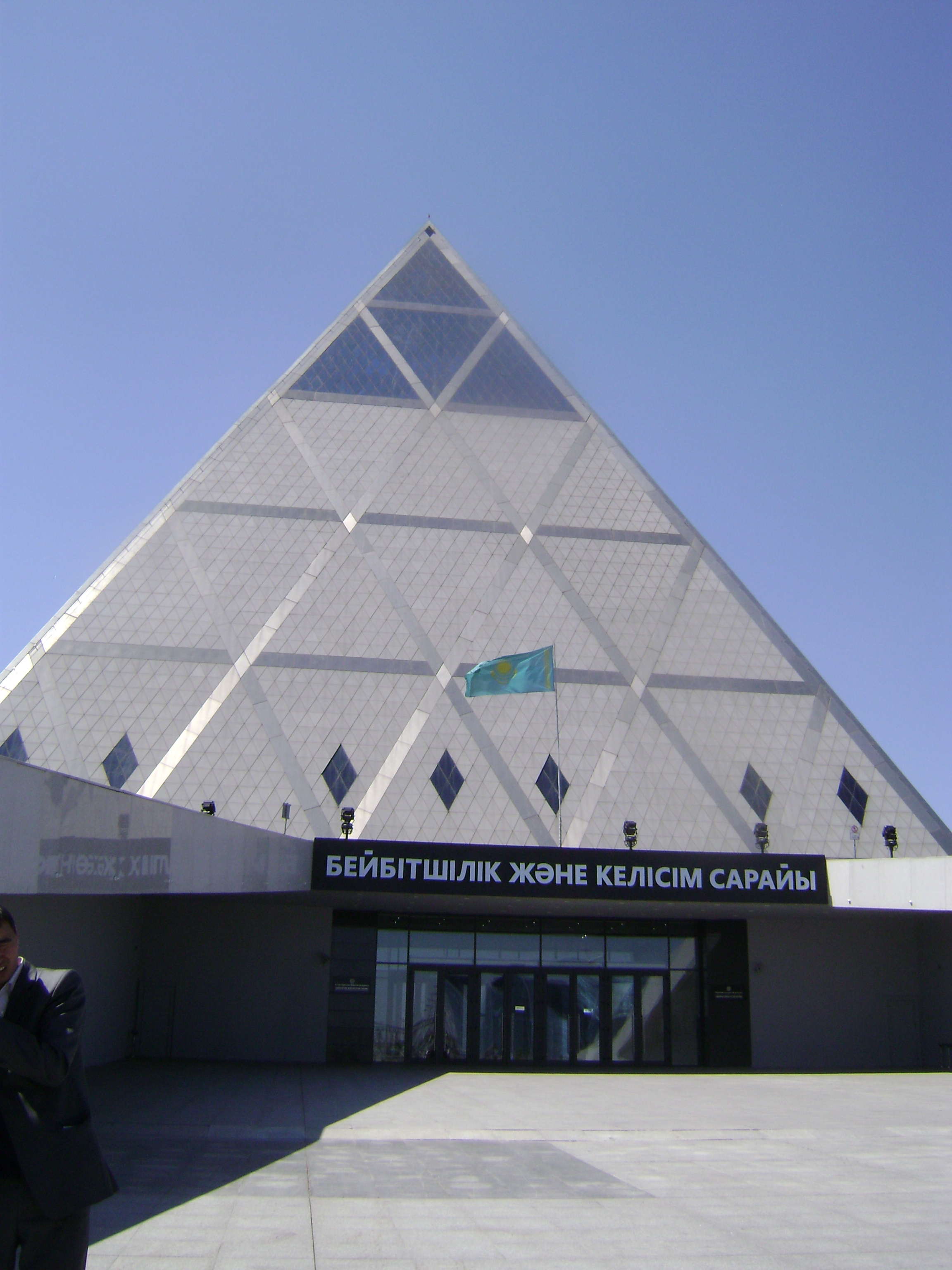
It’s hard to imagine, much less portray, the extent of new development, particularly in Astana. The city was rechristened as the nation’s capital only in 1997 by President Nazarbaev, and it has risen into a Disneyland-like sprawl of some of the most ingenious and playful architecture in the world. In the new city centre, as it is called, a glass and steel pyramid rises near towering office buildings shot through with arches and sporting clever overhangs or minarets. Bright pastels reflect the sun. Even amid the slowdown, building cranes still dominate the skyline behind billboards that hawk the luxury living promised by the novel structures. It’s as if the whole place is a World’s Fair.

We visited the Eurasian National University on Thursday. The gorgeous facilities, housing a museum that showcases ancient artifacts of the region’s earliest days and paintings of warrior heroes of old, are part of a university created by the president to train future leaders, many in the ways of the West. The president also set up a national scholarship program that sends young students to study abroad, so long as they return to help modernize Kazakhstan. Leaders in the journalism school at the university asked us if we could host students at UNL and develop an educational collaboration – something that I am sure our folks would be keen to do.

Our meeting was almost like an affair of state. We all gathered on one side of a table of microphones and the J School faculty gathered on the other. My name was printed on a card, as was that of the J School director opposite me. A small Kazakhstan flag stood before him on the table, and a small American flag stood before me. The session began with rather formal speeches of welcome, all run through a translator from the U.S. Embassy. (The embassy is a stunning new building, corner of America behind some tight security. Very welcoming folks there, too).

Soon enough at the J School, we got down to finding common ground. Since my colleague, Bruce Thorson, and I and the Kazakh faculty were all about the same age, we bemoaned the lack of reading by our Internet-driven students and fretted over the future of print. I got the feeling, however, that preparing students to deliver Net-ready material is not on their agenda here – yet. A meeting with a newspaper editor later confirmed this, as he complained of declining readership but also said he hoped the Net wouldn’t usurp print journalism until he was ready to retire. He, too, is ahem, of a certain age.

Yesterday, some of the students and I went to a stunning mosque with a helpful guide who counted herself as a far-too-unobservant Muslim. Men and women prayed together in the mosque, unlike the more traditional mosque we visited in Almaty. I was able to sit with the group as an imam led prayers. And, to the dismay and disgust of our hostess, some women walked in sporting short skirts. Islam light seems to prevail here.

Afterward, we went to the Lubavitch-run synagogue, Beit Rachel. The shul is in a beautiful building that features a gleaming Star of David on its roof, much like churches showcase crosses – and far more showy than most shuls in America. Nonetheless, it is fenced off, unlike mosques, and has a security guard in a booth at the entrance. Much as religious tolerance is the rule here, Jews have reason to be cautious, it seems. There is also a large Catholic church in town. At Beit Rachel, young Israelis urged me to lay tefillin, which I did. We all had imposed on them a bit, with a local TV crew running all about the building filming us as we did our photojournalism there.

On Saturday, I went to services where, sadly, there were just a yeshiva boker who spoke only Hebrew, a couple other guys who spoke Russian and one delightful fellow from Baku, who spoke English. I’m told more people come when the rabbi is in town, but he’s in Israel at the moment. Still, it was fun talking with the Azeri fellow and it was a delight to eat cholent, the first meat I’ve (knowingly) had in a few weeks. We had a pleasant time all around and got an Amidah or two in.

Further on the religious front, a group of us on Friday also visited a pyramid where all the world’s religions are celebrated. Conferences there periodically draw global religious leaders to talk about their differences and similarities. It’s part of the president’s vision for a harmonious world. I’m told the Pope is among major world religious leaders who have stopped by.

Religiously and financially, there’s a sense of freshness and newness about the country. It’s as if it is still discovering itself and its role in the world, even as it celebrates its ancient history. It also needs to carefully walk lines, balancing Russia, China and the U.S., as well as keep religious and ethnic differences from becoming problems. It is enjoying — but must be cautious about — the billions of dollars, renminbi and rubles that have poured into place in the last 15 years or so. Its institutions are hard-put to keep pace.

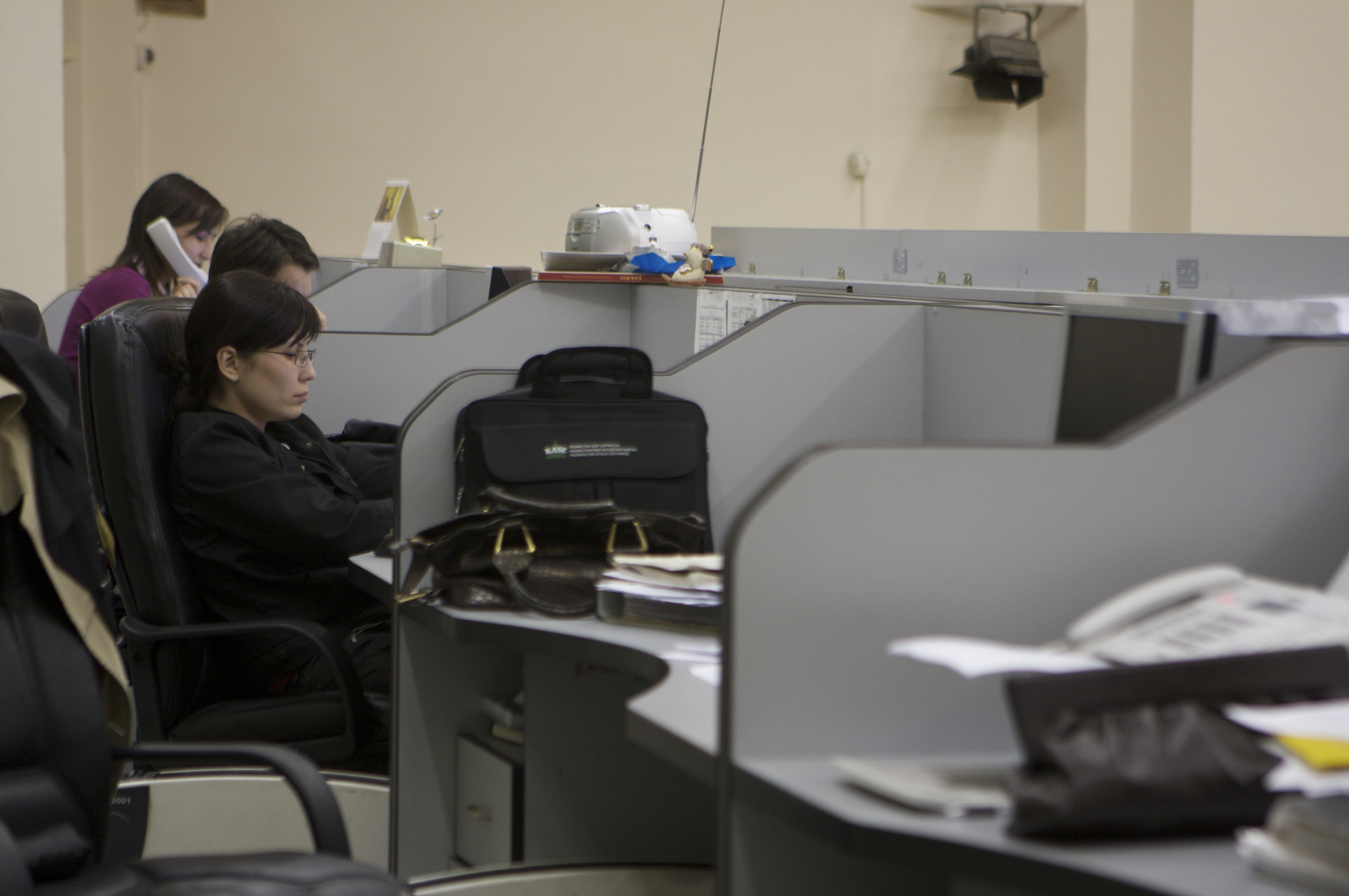
Perhaps the best example is the Kazakhstan Stock Exchange. Set up two days after the country’s currency, the Tenge, was introduced in 1993, KASE is the home bourse for 121 companies. Like markets the world over, these outfits have been roller-coasting in recent years. After soaring past $96 billion in 2008, the market capitalization of the exchange members plunged to about $25 billion last year before recovering to about $64 billion now. The volatility reflects how interlinked Kazakhstan’s economy is with the world’s. The market is still comparatively small and, though heavily electronic, maintains a cubicle-filled trading floor, as the photo here by Sarah Tenorio shows.

As one might expect, oil and mining companies dominate the exchange. But banking and finance is important, too. And all these outfits rise and fall based on global conditions. The finance sector here went into free fall, with lots of bank defaults, because banks here had borrowed heavily from global banks. Real estate, which boomed in U.S. fashion, collapsed amid overextension, leaving Almaty with lots of unfinished buildings. Luxury homes in a neighborhood called Luxor near the KASE offices were going for $4 million in 2008 and they have since fallen by half that.

Still, Kazakhstan’s mineral wealth should sustain the country as long as the world continues to need oil, uranium and other crucial materials. What’s more, the nation’s leaders are keen to diversify the economy to avoid overdependence on such resources. Tourism, for instance, is an area they would much like to expand. If they can improve their hotels and tourist infrastructure, there’s no reason they can’t make a go of it.

Over time, this country’s development will be fascinating to watch.