
Are seductive advertiser tactics on YouTube hurting our kids?
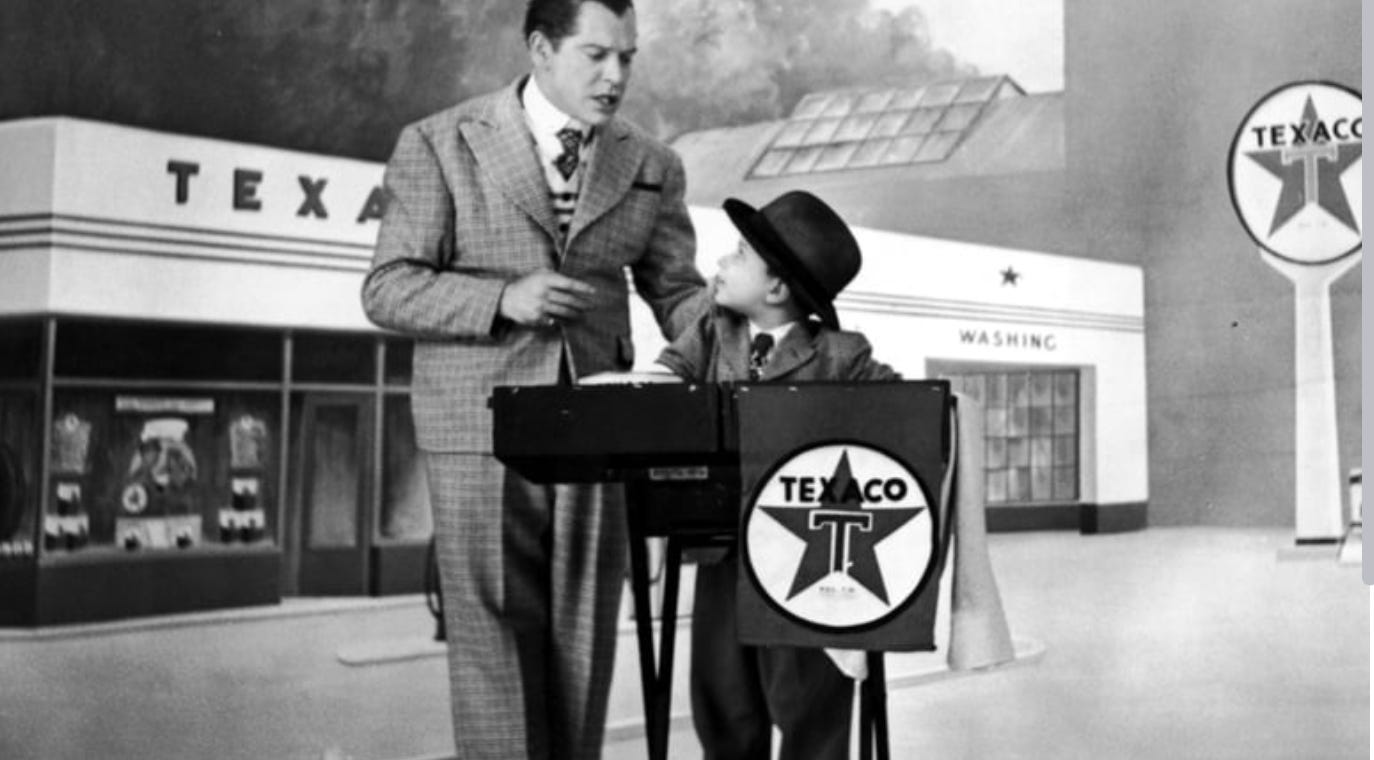
When radio and TV were in their infancy, it wasn’t uncommon for the line between the shows and their commercial sponsors to be as blurry as the old black and white pictures on a Philco set. For instance, we had the Texaco Star Theater, Philco Television Playhouse, The Colgate Comedy Hour, and the Gillette Cavalcade of Sports.
And the commercial messages were laced throughout the shows. For instance, at the opening of the Texaco show, men dressed in Texaco gas station uniforms – they really once had those – would introduce Milton Berle. And in the Colgate Comedy Hour, Jerry Lewis would sometimes poke fun at the sponsor, which apparently didn’t mind since it drew attention.
Over time, though, as single sponsorship gave way to multiple advertisers, the lines between the show’s content and ads became clearer. Indeed, in the early days, the single sponsors exercised control over the shows’ content, something that faded as multiple advertisers popped up. Product placement, however, still occasionally showed up, with Coke cups appearing on American Idol and Manolo Blahnik shoes being mentioned on Sex and the City, for instance.
But selling things – while entertaining people – seems to be in a new era now — perhaps a throwback time. YouTube shows, especially those pitched towards kids and young people, are marketing vehicles. Not only are advertisers appearing as integral parts of the shows, but there is no need for separate commercials – perhaps where young viewers could see distinctions, could realize they are the targets of pitchmen.
The question is, is this harmless and reasonable, a blend of commercial interests and entertainment that isn’t any different in kind than, say, the Texaco Star Theater? Or is there something insidious at play, especially in kid-oriented programming, that should trouble us? Should we bar our kids from watching the new sponsor-heavy stuff?

The questions occurred to me this weekend, as a six-year-old granddaughter and I watched a video created by YouTuber phenoms Ben Azelart and Hannah Thomas. Ben and a friend build a secret treehouse in which he can watch videogames while seeming to be “outside,” since Hannah harangues him about getting outdoors and away from the games.
The commercial outfits key to the plot include Starbucks, Home Depot, Target and a host of electronics companies, including a couple popular videogames. They all get prominent play and, presumably, paid to appear or at least provided the goods involved.
Azelart is a former skateboarder who has built a lucrative career on YouTube with videos such as the secret treehouse one. The fast-paced piece keeps viewers – young and old – engaged, for sure.
But, all the while, they get unapologetic commercial messages from the characters. They buy sugary drinks at Starbucks. They roam the aisles in Home Depot and Target. And they buy a hefty stack of videogames and electronic gear.
My six-year-old granddaughter was mesmerized. In fact, it was tough to get her to switch Azelart off when the video segued into another similar video. And I couldn’t help but wonder whether this flagrant consumerism had downsides, especially for her. After all, there were no commercial breaks that, perhaps, would allow even a child to make distinctions between the programming and ads. And it was all quite seductive.
Of course, many of us of all ages shop at Target and frequent Starbucks. Some of us pop into Home Depot at times. And lots of people play Fortnite and other games showcased on the show. But should those brands be seared into the heads of six-year-olds? And is there a problem with that?
There has been some research suggesting there are indeed problems.
“Children are extra vulnerable when it comes to this type of native advertising, as their advertising literacy is not fully developed yet,” a trio of academics wrote in a review of pieces about influencer marketing in Frontiers in Psychology in 2019. “This content overload makes it hard for children to focus their attention and discern relevant from irrelevant information, resulting in a depletion of self-regulatory resources and difficulties to critically reflect on commercial messages.”
They pointed to papers by colleagues that suggested that kids could not recognize and critically evaluate the ad messages they were getting. “The embedded nature of influencer marketing lowers both children’s ability and motivation to recognize it as advertising and critically reflect on it,” they noted.
In other words, kids might be drawn to the shops and the products mentioned – as the sponsors would like – without them or their parents realizing they are being sold on them. As the academics report, “… children may fail to recognize influencer content as advertising and cope with such persuasion tactics critically.”

Research into the food-marketing power of video influencers has suggested there’s an unhealthy amount of promotion of sugary, fatty and salty foods. So, YouTube in 2020 banned food and drink advertising in and around content aimed at kids. In the Azelart video, however, that didn’t stop popular teen influencer Salish Matter – who plays a key role – from ordering a very unhealthy appearing Starbucks drink.
The Starbucks drink seems like small potatoes, so to speak. The videogames message might be more concerning, since Azelart celebrates his self-described addiction to such games. And the Target and Home Depot messages in and of themselves seem inconsequential, even if they encourage the kids to pester their parents to go to such places – as some of the research suggests they might.
But the Azelart video raises a separate, more subtle issue — sexist stereotyping. Azelart builds the house because his girlfriend nags him to “go outside.” So, are young girls (and boys) supposed to conclude that playing the scold, the nagging woman, is the normal role for women? That men must resort to clever ways to avoid that?
And, beyond that, these videos seem to deliver a potent message about the dubious joys of consumerism. Building a treehouse might be fun, but maybe it’s even more fun to play videogames and go shopping – at one point, the influencer Matter persuades Hannah Thomas to buy everything for her that she can dump into her cart in a minute. She, of course, grabs up stuff blindly — another sexist cliche.
Do such videos encourage unquestioning consumerism? Do they suggest that happiness is to be found that way? It’s hard to measure that, it seems. But, if so, the Azelart videos do it in ways that are both obvious and, perhaps, insidious.
Maybe they’re not all that different from the Texaco men introducing Uncle Miltie. But they surely are a long way from Sesame Street and, it seems, a long way down from it.