
Ben Sasse reminds us of grace in the face of death

Do not go gentle into that good night,
Old age should burn and rave at close of day;
Rage, rage against the dying of the light.
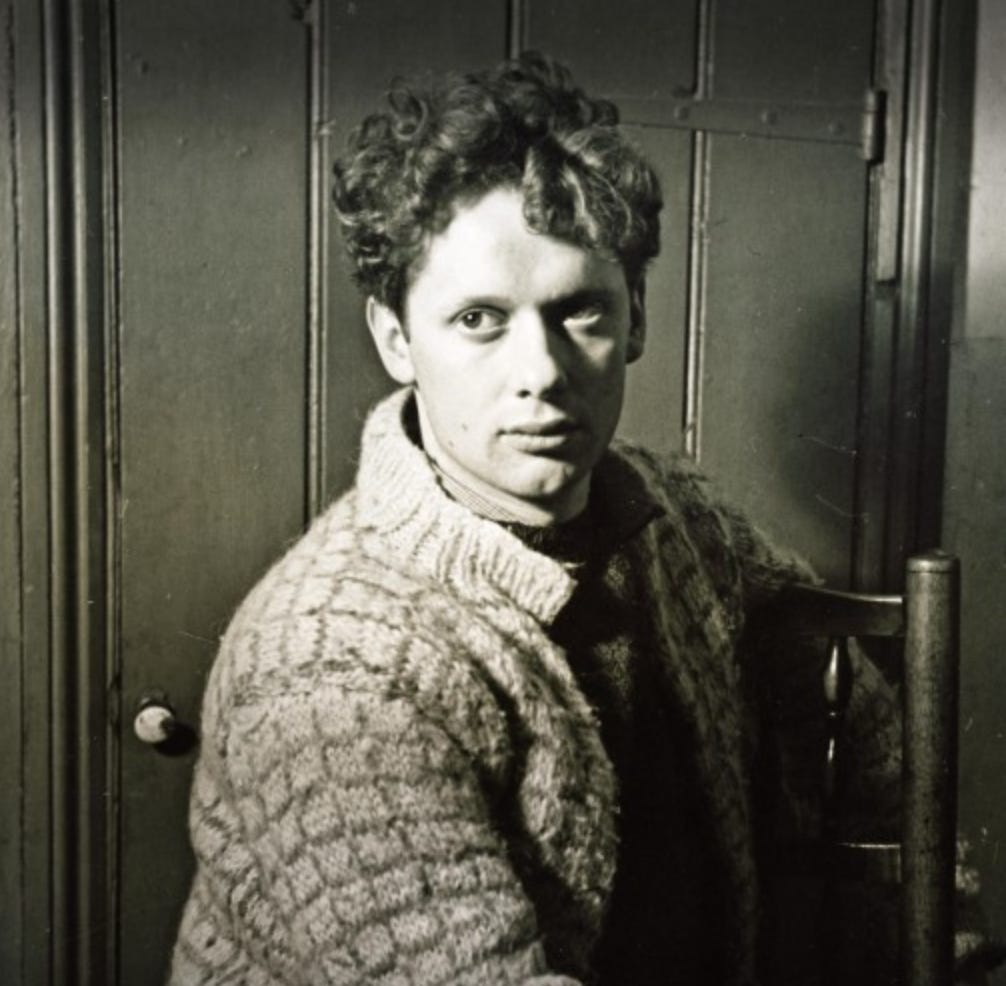
Dylan Thomas wrote those words, in “Do Not Go Gentle into That Good Night,” in 1947. This was five years before the death of his father, in mid-December 1952, after a 20-year battle with throat cancer. It’s widely thought that he was speaking to his dad, longtime English teacher D.J. Thomas, who had introduced him to poetry.
His father’s death, at 76, plunged Thomas, just 38 at the time, into a tailspin from which he never recovered. While on a reading and lecture tour in the United States, the self-described “roistering, drunken and doomed poet” drank himself into a coma. Barely 11 months after his dad’s passing, Thomas died on Nov. 9, 1953, in St. Vincent’s Hospital in New York.
Morbid as this is, I’m reminded of it after reading a remarkable post by Ben Sasse, my former Nebraska senator, letting people know about his terminal diagnosis. Far from “roistering,” it is a powerful reminder of how we all face the inevitable and how we can do that with grace.
“Last week I was diagnosed with metastasized, stage-four pancreatic cancer, and am gonna die,” Sasse wrote on X. “Advanced pancreatic is nasty stuff; it’s a death sentence. But I already had a death sentence before last week too — we all do… Death is a wicked thief, and the bastard pursues us all.”
Sasse, 53, wrote that he doesn’t know how much time he has left, though he said it’s less than he wants. And, while striking a realistic tone — saying he’s “now marching to the beat of a faster drummer” – Sasse also echoed Dylan Thomas:
“I’m not going down without a fight,” he wrote. “One sub-part of God’s grace is found in the jawdropping advances science has made the past few years in immunotherapy and more. Death and dying aren’t the same — the process of dying is still something to be lived.”
Sadly, death – and thoughts of it — are all too common at this time of the year. As a young obituary writer for a newspaper in New Jersey decades ago, I was struck by the surge in deaths, usually among the elderly, that we reported on in December and January. My colleagues and I often speculated about the cause – bad weather, loneliness at a time of supposed great joy, the spread of viruses and other infections and the lack of sunshine and the depression that can bring.
Indeed, scientists have long known that winter is the cruelest season for mortality, with January the deadliest month. “The seasonal swings are substantial,” The Washington Post reported in a midwinter piece last year. “About 20 percent more people die in January than in August, which is typically the least lethal month.” One researcher quoted blamed heart disease and respiratory problems.
The phenomenon is personal for me, too. My father, who had suffered with smoking-related lung problems, died at 70 on Christmas Eve in 1998. My mother, who suffered from similar problems, died in February, four years later, at 69.
Given both their ages when they left us, I’m thankful that I recently surpassed them (though I remain wary and, as they say, cautiously optimistic). In his post, Sasse, a devout Christian, addressed the optimism point head on – again realistically, in light of his diagnosis:
“To be clear, optimism is great, and it’s absolutely necessary, but it’s insufficient,” he wrote, reflecting on the Christian pre-Christmas season of Advent. “It’s not the kinda thing that holds up when you tell your daughters you’re not going to walk them down the aisle. Nor telling your mom and pops they’re gonna bury their son. A well-lived life demands more reality — stiffer stuff. That’s why, during advent, even while still walking in darkness, we shout our hope — often properly with a gravelly voice soldiering through tears.”
Every faith tries to come to terms with death, of course. For some creeds, it is a gateway to better things, including reunification with those lost and closeness with one’s G-d. Others admit that we simply don’t know what comes next, if anything.
For most of us left behind, though, the passing of a loved one is just a barely bearable loss. It’s the sad recognition that we won’t have that person as a part of our life anymore (except in warm recollections and, if we’re lucky, in occasional happy dreams).
And this time of the year ratchets it all up.
In some ways, the holiday period can be especially cruel and not solely because of the rise in deaths. For those who celebrate, Christmas can be a time of unrealistic expectations. There seems to be so much pressure on people – Christians, at least – to feel the cliched joy of the season that one wonders if it’s simply impossible to clear the high bar. It’s all a lot too noisy and demanding, it seems.
A decade ago, researchers confirmed this. A 2015 survey conducted by Healthline, a consumer health information site based in San Francisco, found that 62 percent of respondents described their stress level as “very or somewhat” elevated during the holidays. They pointed to financial demands, negotiating the interpersonal dynamics of family, and maintaining personal health habits such as an exercise regimen.
“The holidays are filled with both joy and stress,” Dr. Ellen Braaten, then an associate professor of psychology at Massachusetts General Hospital and associate director of its Clay Center for Young Healthy Minds, said in a Harvard Medical School piece.
For many of us, too, the holidays may always carry a dark side. We acutely feel the absence of those who seemingly were always there and now are not.
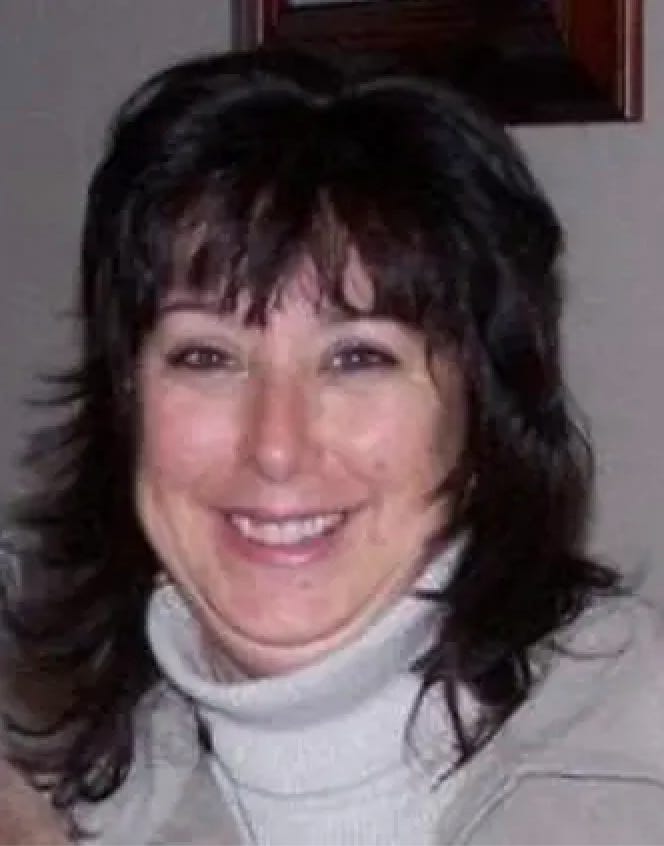
In the case of my family, that revolves about the loss of our parents years ago and, more recently, of our dear sister, Madeline. She fell to cancer during the summer. All of us — her siblings — will long grieve for her, though her absence is especially tough for her husband, sons and daughters-in-law, of course. And that grief is amplified at this time of year, when around us so many are smiling and celebrating.
We who survive such losses must endure, of course. We cannot let ourselves plunge into paralyzing grief, perhaps as Thomas did.
Sasse in his post was cold-eyed about the reality of imminent treatments and the strains to come, but he ended by offering his friends peace and referring to “great gratitude.” He and his family, he wrote, have “gravelly-but-hopeful voices.”
May his suffering be bearable and may his family’s memories be a blessing for them in years to come.