
Chaucer was onto something there
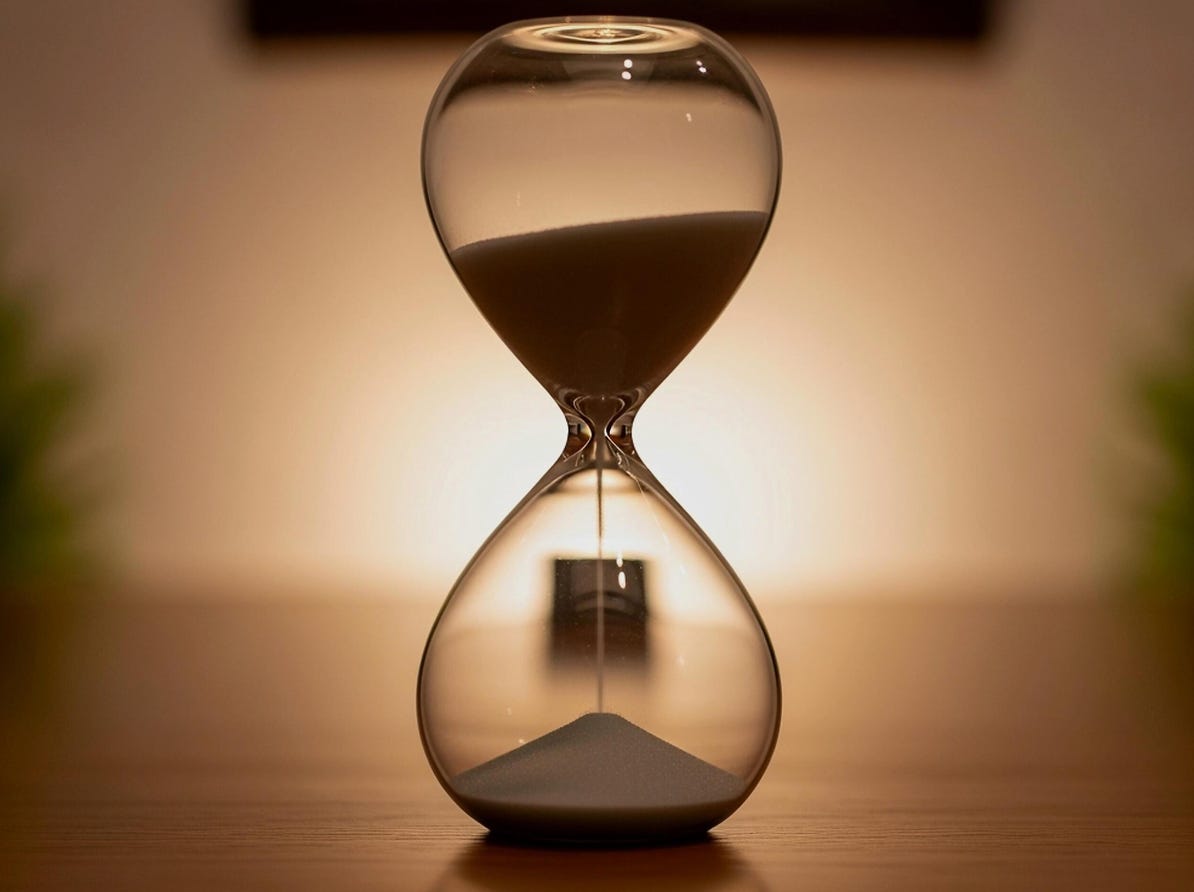
If you’ve been a member of Facebook for a while, you know that one of the bittersweet features is the Memories area.
Why bittersweet? Well, glancing over the old posts and photos – especially when in reels – offers a sobering reminder of how quickly everything passes. Today, for instance, the site shared a look at a celebration of the arrival of our first grandchild, who now is 9 years old.
As the cliché goes, that seemed like just yesterday. And yet, the hair styles, wrinkle-free faces and, for some of us, trimmer waistlines, suggest it was actually something of an age ago. Older posts, of course, can make one feel older still.
When one breaks life into (nearly) decade-long chunks, you get a deep sense about the fleeting past. One decade, long gone, was the time when our children were as old as some of their kids now. The next was one when college took those children off into different lives. And the one following was where they set up their own households, complete with spouses.
Those days flew by. That never seemed so at the time, of course. Hindsight differs from foresight, something we don’t really appreciate when we’re young, when we’re in the mix of countless changes.
But now that there are fewer days ahead than behind for some of us, one’s appreciation of time changes. When you break down the decades into the impossible-to-know future, things get more pressing, more urgent in some ways.
We know that we have only X number of years left to cram in so many things, to appreciate so many things. Or, better said, we hope that we have X number of years left to us for things such as spending time with kids and grandkids, travel, sports and such. Just how much longer can we ski, hike, walk the dog, etc.?
The flip side, perhaps, is that we can appreciate those things even more, knowing their days are numbered.
Tempering things further, though, is the idea that we don’t really know what those numbers are. A decade? Five years? Ten minutes?
When I attended my 45th grad school reunion recently, I had hoped to see a few particular classmates. Sadly, most didn’t stop in, perhaps because we’re all flung far and wide now and a trip to New York can be a burden.
But then, not long after the reunion, we got word that one of the guys – a wonderful fellow who had enjoyed a stellar career in journalism and then in financial research – had died in a car accident after a possible medical problem. He was 74 and passed his final years boating, fishing, trading stocks, tennis, golf, and spending time with his granddaughters in Washington, D.C., and siblings in Michigan, California, New York and Pennsylvania, as a colleague wrote.
So, we never know when our ticket will be punched, do we? As the Yiddish phrase goes, “Der mentsh trakht un got lakht” or “man plans, G-d laughs.”
Still, we must plan, though, right? We must face each day, paradoxically, as if it could be our last but more likely will be the first of a decent string left to us. We must try to live those days well, heads held high even if our backs or knees twinge a bit.
The New York Times recently reported that a positive mindset — including optimism and a sense of purpose – can help in one’s health and longevity. These things can be as important as exercise, diet and sleep.
That’s kind of a “no-shit, Sherlock” observation, of course. But sometimes it helps to state and restate the obvious, especially when there is science to back it up.

One Columbia researcher noted in the piece that people who volunteered increased their activity levels and felt physically stronger after several months of service. They also modestly improved their scores on tests of cognition and scored higher on a questionnaire assessing their feelings on legacy and making a difference in their community.
The Times piece also reported on a 2022 study, which found that women over 50 who scored highest on a measure of optimism lived, on average, 5 percent longer and had a greater chance of making it to age 90 than those who scored lowest. Another study reported that adults 50 and up who had a positive attitude about getting older — saying they felt as useful or as happy as they did when they were younger — were more likely to maintain, or even slightly improve, on tests of physical and cognitive ability when tracked over 12 years.
Encouragingly, other researchers have found that many of us, as we age, tend to feel a lot younger than our years.
“Sixty-year-olds felt like they were 46,” one researcher told The Washington Post about a study of his. “Seventy-year-olds felt like they were 53. Eighty-year-olds felt like they were 65. It looks like this is pretty consistent across age groups. People know that they are aging, but they are evaluating themselves and their lives and reporting feeling about 20 percent younger than their current age.”
Were these folks deluding themselves? Did they believe, perhaps, that they could continue doing things as they did 20 years before? Well, maybe the attitude isn’t bad, so long as one recognizes the limits.
For my part, the days of running marathons are long gone. But, for now at least, bicycling around Europe (and the Rockies at home) still remains in the toolbox. Spending quality time with my wife and with the young-uns, sometimes in far-flung places, is mandatory.
Even if we live no longer thanks to a bevy of activities, or even to an upbeat attitude and efforts such as volunteering, those things surely will make the time we have left far better. Sadly, I recall the elderly mother of a college friend who alarmed her family when they overheard her praying for her own death – weeping at times – in her room. This woman, who didn’t seem to have any physical ailments or pain, kept a brave and cheery face when with the family, but not when on her own.
I imagine a time comes – perhaps when one outlives all one’s friends and when cherished activities are denied us – when such an attitude may be tough to avoid. As for me, well, let’s put that off as long as possible.
Much as it stirs mixed emotions, the Memories feature is one I hope to enjoy for a long while yet.