
Political ads besiege us, but they can backfire
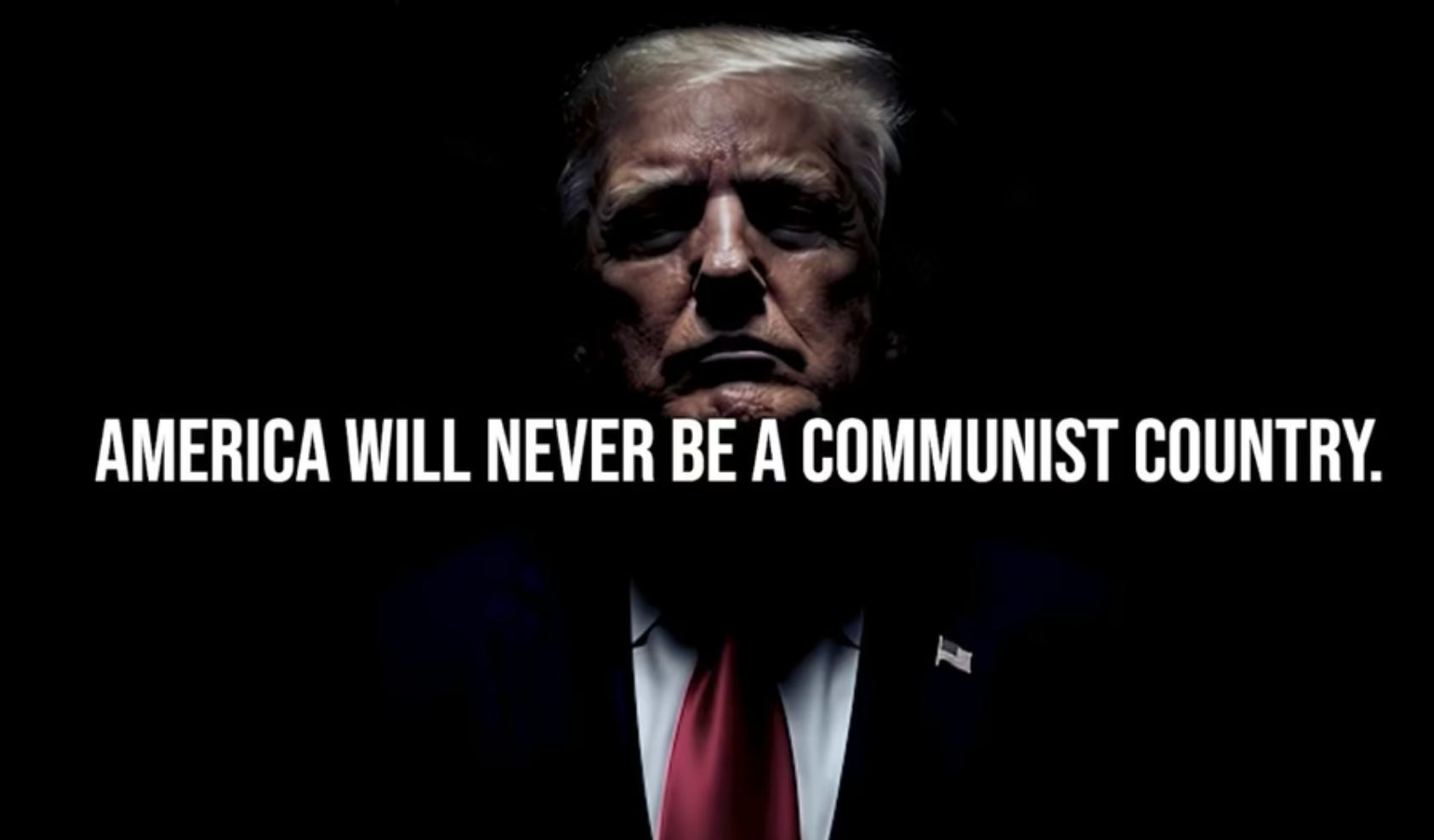
Maybe you’ve seen some of the Trump ads that you, as a taxpayer, are paying for. If not, Donald J. Trump on one of them says “together we will defeat communism, socialism and Marxism in America” and “America will never be a communist country.”
If that ad strikes you as a campaign commercial designed to encourage voters to turn out for the GOP between now and November, the White House says you are just plain dumb. Such ads, which ran on a recent Fox News Sunday show and several college and NFL football games, are “very clearly not campaign ads,” the White House says. No, they just are “a reminder for Americans to love their country and know what it’s worth defending.”
Driving home the point for those numbskulls who might question the pre-midterms timing, Trump’s White House adds, “That’s not partisanship — that’s a government that still believes in the country it serves.”
And Brendan Carr, the Trump toady who runs the Federal Communications Commission, has rebuffed objections from some in the GOP, as well as from Democrats, about the legality of the $20 million TV effort. Asked about complaints from Public Citizen and others, the Trumper said the ad struck him as “normal course public service announcements that you see all the time.”
Never mind the offense taken by some Republicans. For instance, Senate Majority Leader John Thune said: “It’s a great message, I like the message, but it shouldn’t be paid for by taxpayer dollars.” Then there’s Sen. Mike Rounds, who said: “It would not have been something that I would have done…I just don’t think it’s right to be using taxpayer money in that way, particularly if it’s tied to political campaigns.”
And Sen. John Cornyn said the ad, which is nearly identical to one Trump used in his presidential race, crosses a red line. “We all know you’re not supposed to use taxpayer money for that purpose,” he said.
But the larger question is whether such advertising, from Trump or from individual campaigns, makes any difference. If not, the ads are just gifts – whether from taxpayers or unnamed billionaires — to national and local TV operators.
Certainly, plenty of donors and critics believe advertising blitzes can determine elections. “This critical 2026 midterm election may be decided by dark money, big money, tech money,” warns Brennan Center President Michael Waldman. “Above all, secret money. The money storm is now gathering. It could tip the outcome of many races.”
So far, at least $1 billion from anonymous donors has flooded into various campaigns, according to The New York Times. The newspaper tracked TV and digital ad buys, as well as donations to super PACs from nonprofits, saying the dark money surge has “reached industrial scale.” It quoted one critic, Nick Penniman of Issue One, as saying the cash is more than “enough money to manipulate a lot of politicians and to put a lot of poison in the blood of the American political system.”
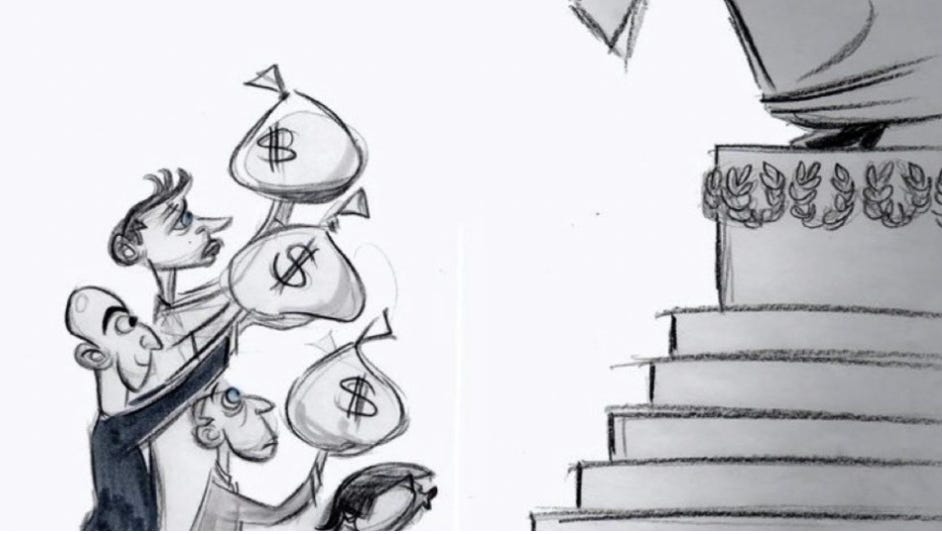
There’s no doubt that the part about manipulating politicians is spot on. Legislators and others from presidents on down surely will do the bidding of those who fund their efforts to win and keep office — at least if they want their support the next time.
But there’s plenty of reason to think that a public weary of having their football games, news shows and soap operas interrupted by overly loud attacks on some politicians and encomiums for others may just shut down on the messages. For instance, will Trump’s attacks on communism play at all to voters who have plenty of non-ideological reasons to fault him and his party?
For a partial list of recent presidential blunders just read what Karl Rove, a former adviser to President George W. Bush, noted in The Wall Street Journal about Trump’s antics in September alone.
“The big news out of Republicans’ first-ever midterm convention: If the GOP won, Mr. Trump would give every adult $5,000. There was no prior consultation with congressional Republicans, and there were conflicting explanations of how it would be paid for … It was crickets. Then on Sept. 14, Donald Trump Jr. confirmed to the media that a Russian oligarch paid for his lavish post-wedding celebrations. That’s never a good look.
“Two days later, the president asserted Iranian leaders ‘want to make a deal.’ Six days after that, he said he might have to ‘annihilate the Islamic Republic and do it quickly.’ This left voters whipsawed.
“On Sept. 16, the president said the Kennedy Center would ‘end up being ripped down’ unless the administration received ‘recognition’—i.e., his name on the building. Later that week, the president banned CNN, MS NOW and Politico from the White House press room. A judge soon restored access with a temporary restraining order as the outlets’ lawsuit against the administration proceeds.
“Even as GOP candidates are trying to make radical New York City Mayor Zohran Mamdani the Democratic Party’s face, the president met with the mayor in what a reporter called a ‘lovefest.’ It’s hard to make Mr. Mamdani a pariah—and tarnish Democrats by extension—when Mr. Trump says the self-described socialist has ‘great potential.’
“Then there was last Thursday’s lavish White House dinner honoring Xi Jinping. Mr. Trump’s praise of the dictator as ‘truly outstanding, amazing’ couldn’t hide the summit’s lack of substantive achievement … Then there’s Mr. Trump’s Truth Social post early Sept. 20 that he has ‘agreed to convert’ his planned Triumphal Arch at Arlington National Cemetery into ‘a top grade Military Complex, complete with ‘drones, plus Snipers’ with ‘large quantities of sniper ammunition in storage.’ Who will snipers be targeting? Commuters on the parkway the arch will overlook?”
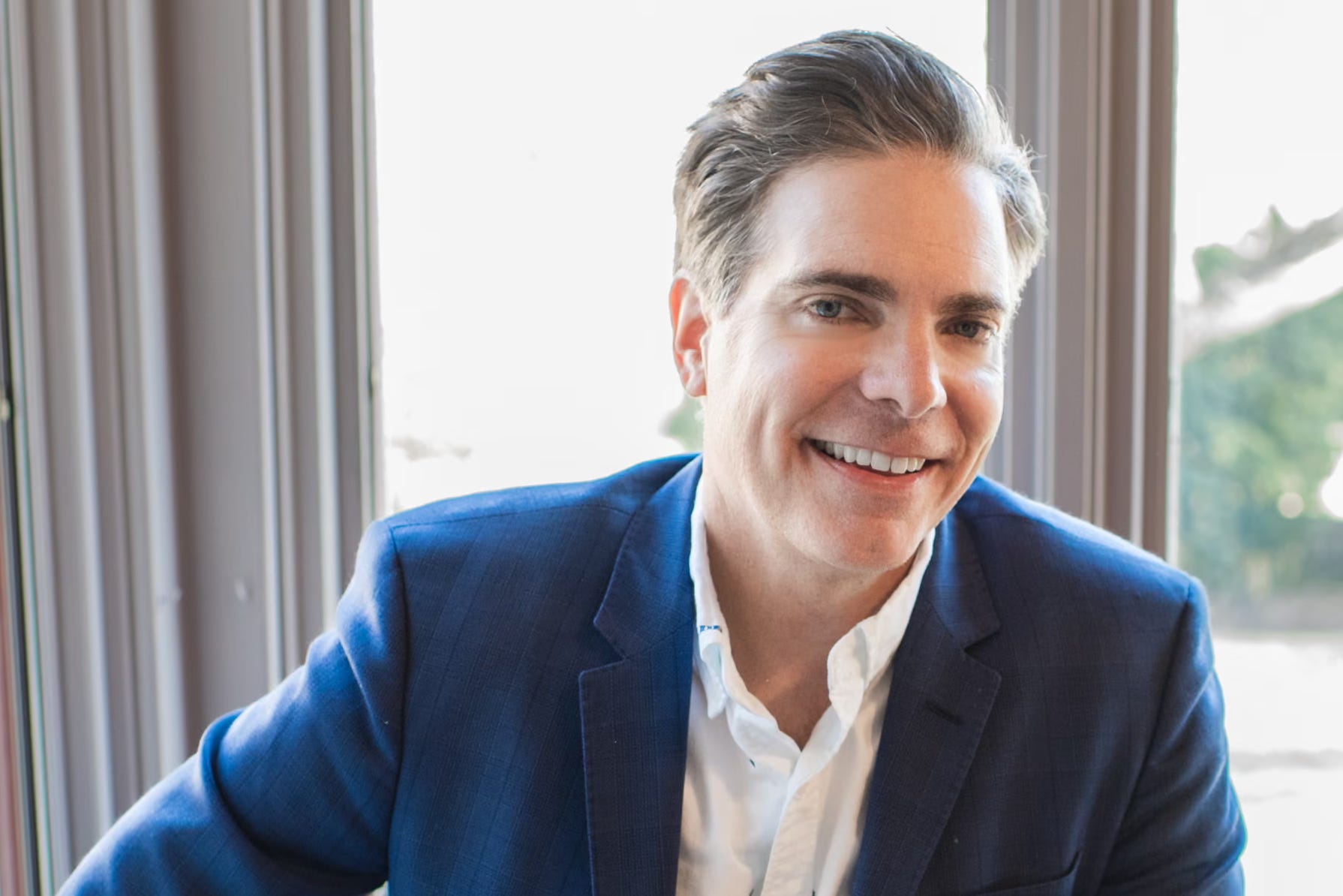
And consider the view of The Washington Sun’s conservative writer Matt K. Lewis, who calls Trump “a greater threat to my conservative values and policy preferences than any Democrat.”
The tide will shift in a few weeks, he argues.
“Besides, what bad, un-conservative things could Democrats do?” Lewis writes. “I mean, are they going to start another forever war in the Middle East? Start socializing industries? Raise the national debt to $40 trillion? Cause abortion rates to rise? Increase the cost of groceries and gas? Pal around with socialists (like Zohran Mamdani)? Suck up to communists (like Chinese President Xi Jinping)? Nominate a bunch of weirdos, drunks and inexperienced hacks to the Cabinet? Pursue self-enrichment? Start building monuments to themselves? Threaten to use the power of government on their opponents?”
Beyond all the GOP failures that voters can see with their own eyes and experience in their lives (say, shopping for groceries or buying gas or perhaps houses), some academic research suggests that ads have at best a marginal effect. Work by a Yale political scientist and two California colleagues on the 2016 election found “small average effects on candidate favorability and vote… During the primary and general election, in battleground states, for Democrats, Republicans, and Independents, effects are similarly small.”
A CATO Institute review of the effects of digital ads on Facebook and Instagram in the 2020 election similarly concluded that the messages “had, at most, a minimal impact on political outcomes.” This is so even as digital ads are becoming popular tools for politicians.
To be sure, name recognition for little-known candidates and a reminder effect – encouraging people to not forget to vote – would seem important. Moreover, if one candidate stays on the ad sidelines while his or her opponent blasts the airwaves, voters might feel that absence. And there’s evidence that tone — negative or positive — can have an effect.
Researchers at Northwestern’s Kellogg School of Management, in reviewing the 2000 and 2004 elections, found that positive ads encouraged more people to show up on Election Day, while negative ads slightly suppressed turnout. Still, the marketing professor who ran the study, Brett Gordon, noted “No ad ever convinced me to do something.”
And there’s also the possibility that heavy ad spending can backfire, as it did spectacularly in Illinois earlier this year where tens of millions spent by the American Israel Public Affairs Committee may have helped the group’s opponents win primary contests. One, Daniel Biss, the mayor of Evanston, turned AIPAC’s efforts against him to his advantage, as he blasted the group for “trying to buy” the Congressional seat he is running for.
Will Americans cut through the noise and vote based on their interests and their life experiences rather than some Mad Ave whiz’s Hollywoodesque imagination? If they do, a lot of billionaires could soon find that they blew a lot of money trying to con people into doing the opposite.