
But Khamenei’s death is just the beginning of this Iran War
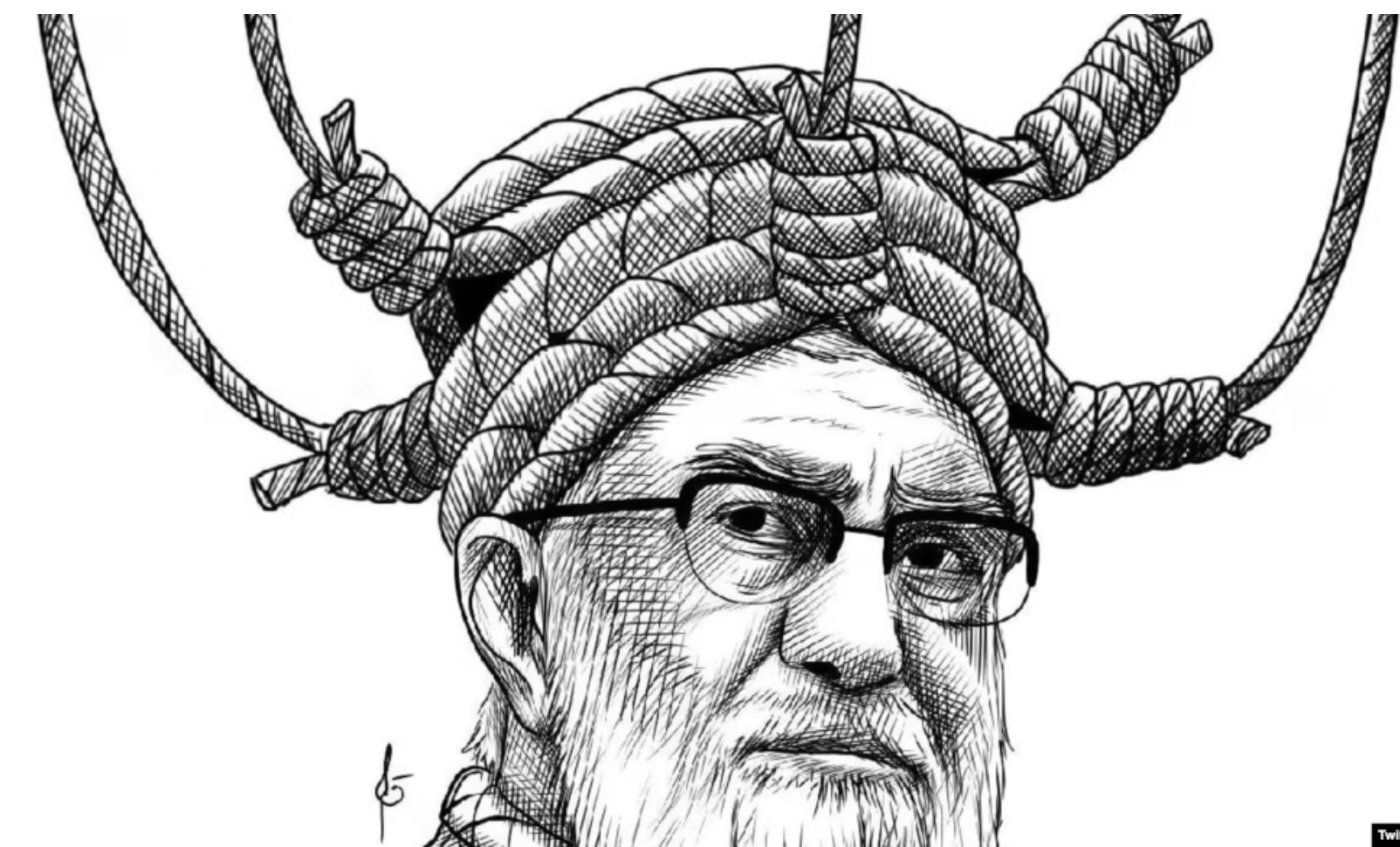
Few in the West will shed a tear for Ayatollah Ali Khamenei. And it is little wonder that even in Tehran cheering broke out as news of the murderous 86-year-old cleric’s death spread.
But it’s far from clear that the missiles from Israel that did him in — along with a good cross-section of the country’s top leadership — will bring revolutionary change or, ultimately, peace.
Consider the many unknowns various commentators say now face the Middle East and the world as a result of this ongoing joint U.S.-Israeli assault on Iran.
“U.S. intelligence officials have assessed that the power vacuum could result in hard-line factions of the Revolutionary Guards seizing control,” The New York Times editorialized. “The risks of civil war, internal slaughter and regional instability are profound.”
And reflect on this insight from a longtime observer quoted in The New Yorker:
“Khamenei’s death creates a moment of genuine uncertainty, but it does not automatically translate into immediate regime collapse,” said Hamidreza Azizi, an Iranian political scientist at the German Institute for International and Security Affairs in Berlin. “The Islamic Republic anticipated a day-after scenario for a long time and built overlapping institutions capable of maintaining continuity, particularly within the security and military establishment.”
Even the hawkish editorialists at The Wall Street Journal acknowledge the looming uncertainties: “The larger gamble is regime change, and no one knows if this will happen.”
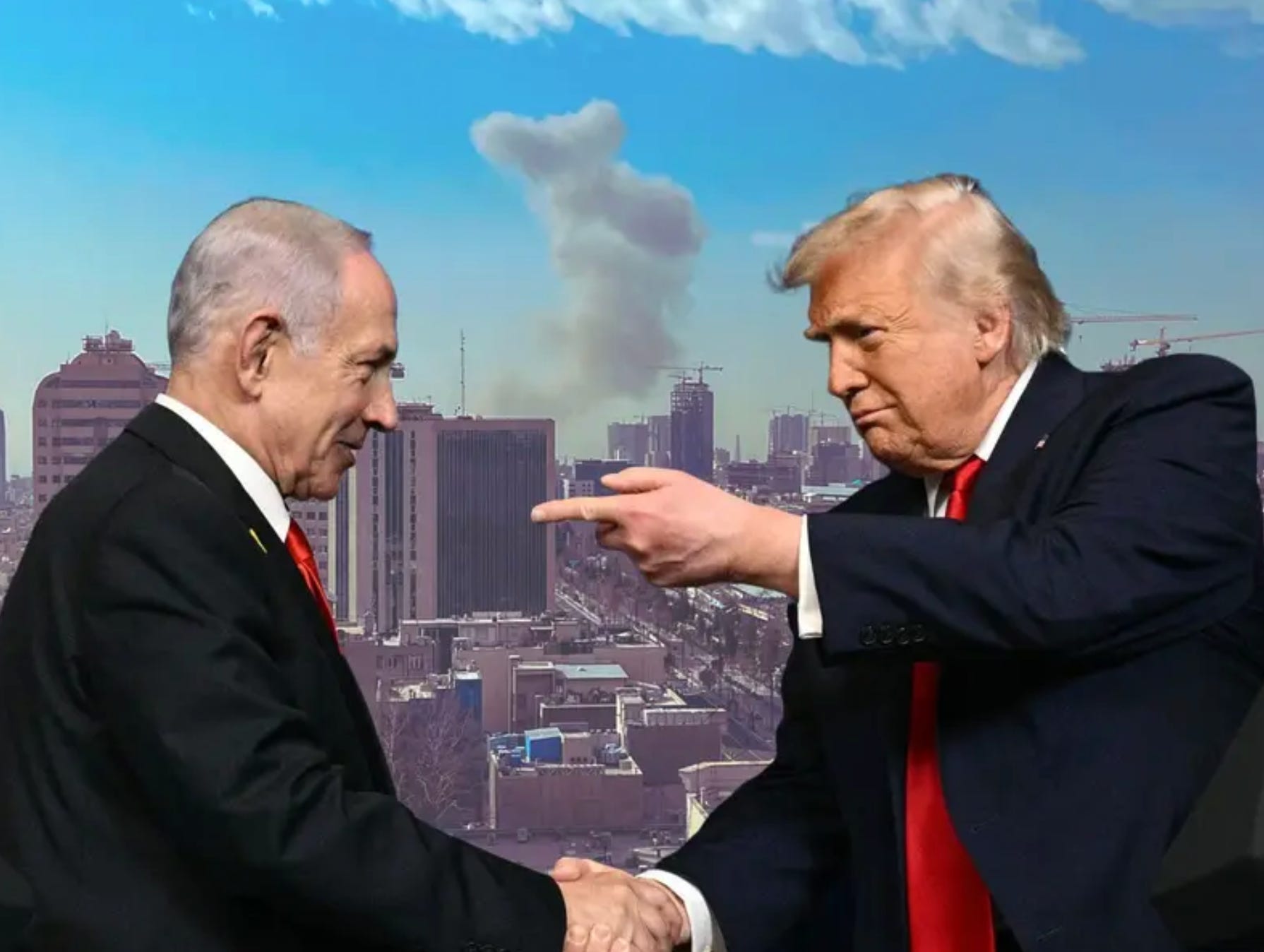
Gamble, indeed.
Still, Donald J. Trump and Benjamin Netanyahu, through their extraordinary militaries, have rid the world of a vile tyrant whose quiet gardener’s demeanor belied an exceptional viciousness, both toward his own people and outsiders, especially Americans and Jews.
Give some thought to just a few of the many atrocities Iran’s government perpetrated under Khamenei, who claimed direct descent from the Prophet Muhammad and held himself out as a devout and learned holy man but who commanded legions of thugs.
- Just recently, in January, Iranian gunmen killed at least 7,000 anti-government protesters in Iran, though some sources say the number could top 30,000.
- Four years ago, when the “Woman, Life, Freedom” Movement began after a woman who declined to wear the hijab died in “morality police” custody, Khamenei’s regime killed up to 551 people, including 68 minors, when they protested. On just one day, September 30, 2022, “Bloody Friday,” 104 people were killed during the protests following Friday prayers in the city of Zahedan.
- Iran also supplied the I.E.D.s, or roadside bombs, that killed or maimed over 1,000 American troops during the war in Iraq, as New York Times columnist Bret Stephens reported. It also sought to assassinate former senior U.S. officials, including John Bolton, Mike Pompeo and, according to a 2024 report in Politico, Trump himself.
- In 2004, the regime erected a monument in Tehran commemorating the “martyrs” — whom it had bankrolled — who in October 1983 killed American Marines and French paratroopers who were in Beirut to keep the peace. One killer crashed an explosives-laden truck through the front gates of a U.S. Marine barracks. In all, 241 Marines, sailors and others died, representing the largest loss of life in a single day for the Marine Corps since the Battle of Iwo Jima in 1945. Then, within moments, a second suicide bomber drove into the barracks of a French paratrooper detachment nearby. The explosion killed 58 soldiers. Khamenei’s predecessor presided over these obscenities.
- Under Khamenei, in 1996 terrorists set off a bomb outside the barracks for the United States Air Force 4404 Provisional Wing in Khobar, Saudi Arabia. Nineteen American airmen were killed and 498 people were wounded, most of them Saudis and foreign guest workers. A U.S. court in 2020 ordered Iran to pay $879 million to survivors (fat chance of collecting on that).
- Over decades, Iran has spent hundreds of millions of dollars bankrolling terrorist groups including Hezbollah, Hamas and militant groups in Iraq, Syria, Bahrain, and elsewhere throughout the Middle East.
- And, of course, until the U.S. attacked its nuclear facilities last June, Iran had boosted its stockpile of highly enriched uranium. It had enriched some 972 pounds of uranium up to 60 percent purity, according to estimates from the International Atomic Energy Agency. It wasn’t far from developing enough for multiple bombs.
Trump wasn’t off the mark when, in a Truth Social post, he wrote that Khamenei was “one of the most evil people in history.”
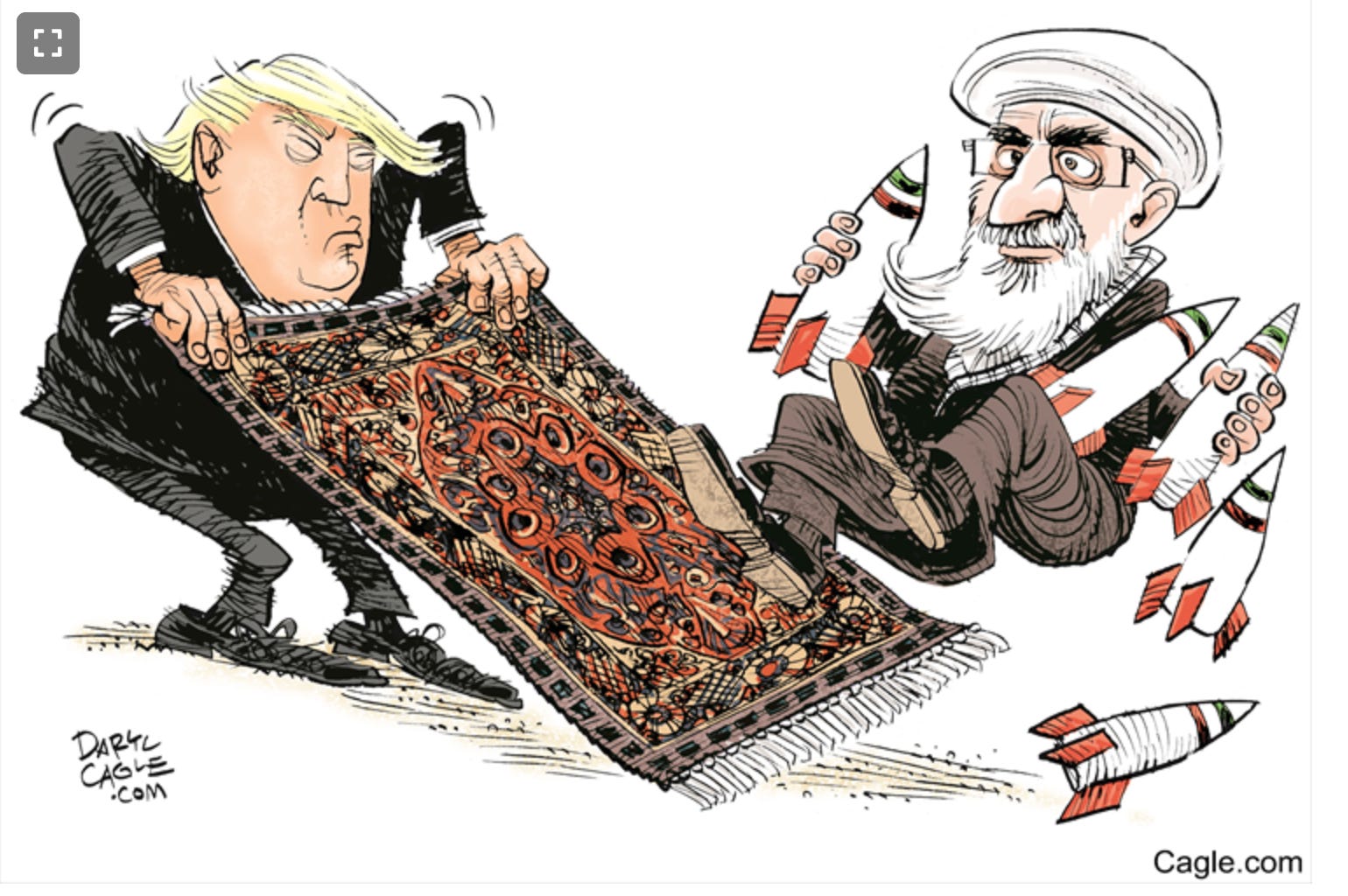
Surely Trump was right, moreover, in saying: “This is not only Justice for the people of Iran, but for all Great Americans, and those people from many Countries throughout the World, that have been killed or mutilated by Khamenei and his gang of bloodthirsty THUGS.”
But how realistic are Trump and Netanyahu about how this all will play out?
They both have called on the Iranian people to overthrow the Islamist regime that has ruled them since the 1979 revolution. But how can a public without weapons — beyond their lives — do that? Can they resist — or, better, turn — an army believed to number more than a half-million men? Can they win over deeply entrenched intelligence forces who know they’ll be strung up from the lampposts if the public prevails?
“Despite early tactical achievements, the central question remains unresolved: what is the endgame?” asked Danny Citrinowicz, a former longtime Israel Defense Intelligence officer now with the Atlantic Council’s Middle East programs. “Can external military pressure realistically rely on an Iranian public that lacks cohesive leadership, particularly when facing a regime that has operated for forty-seven years under the disciplined control of the Islamic Revolutionary Guard Corps (IRGC)?”
It’s likely that the Iranian regime, confronting an existential threat, won’t be timid in responding. Already, it has sent scores of missiles into Israel and into Arab states that aid the U.S. It could easily activate its proxies to inflict hefty costs on Westerners in Europe and, perhaps, even in the U.S.
Does Trump, a man given to impulsive actions, have what it takes to prosecute what could be a long and far bloodier war? And what happens if it touches the American home front?
“Trump’s targeting of Iran’s leadership will almost certainly lead to attempts to target Trump and other top U.S. officials,” wrote Thomas S. Warrick, a nonresident senior fellow in the Scowcroft Middle East Security Initiative and a former deputy assistant secretary for counterterrorism policy in the U.S .Department of Homeland Security. “The Secret Service, the Federal Bureau of Investigation, and the U.S. Capitol Police will all be tested in the coming weeks and can afford zero failures. Iran will try every cyber trick it can mount, testing the Department of Homeland Security, the private sector, and U.S cyber defenses.”
Naively, perhaps, Trump is looking toward a far shorter war. As he told The New York Times, “Well, we intended four to five weeks.”
“It won’t be difficult,” Trump added. “We have tremendous amounts of ammunition. You know, we have ammunition stored all over the world in different countries.”
But Trump said he hoped Iran’s elite military forces — including hardened officers of the IRGC — would simply turn over their weapons to the Iranian populace. As the newspaper pointed out, however, those same security forces — in particular, the Basij, which organizes local militia — opened fire on protesters in January, killing thousands.
Trump seems to think Iran will turn out to be like the quick fix he engineered in Venezuela. Never mind that Venezuela’s defense infrastructure was weak while Iran still holds a massive, diverse missile stockpile, a sophisticated drone network and a military that can reach far around the region. Or that the theocratic state has a highly motivated ideological base.
Unlike Trump — whose military experience consisted of dodging the draft during the Vietnam War — the Prussian military theorist Carl von Clausewitz in the 1800s knew a lot about international conflict. “War is the realm of uncertainty; three quarters of the factors on which action in war is based are wrapped in a fog of greater or lesser uncertainty,” he said.
And then there is a tart comment attributed to Niccolò Machiavelli: “Wars begin when you will, but they do not end when you please.”
Someone will take Khamenei’s place, of course. And he will control a weakened but still well-armed country whose regime now has its back against the wall. Just how that will turn out — both in the short and long run — is a massive unknown.
It is true, as the Times’s Stephens wrote, that it is impossible to imagine anything like Mideast peace without the end of this regime. But will that be the way this all goes?