
Will Americans get the chance to buy Chinese-made cars?
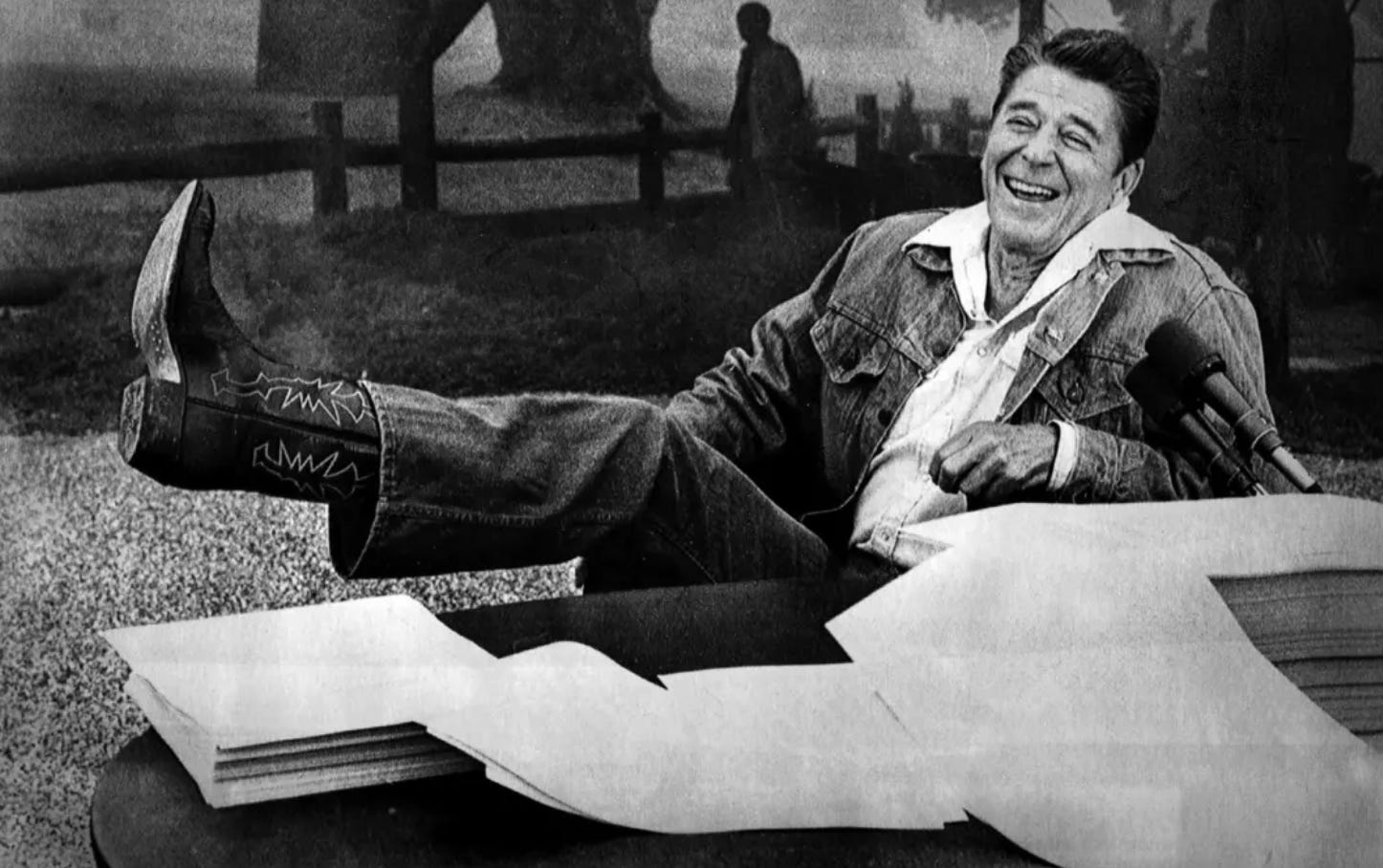
A bit over 40 years ago, American shoemakers asked President Ronald Reagan to limit imports of foreign shoes. Cheaper footwear from abroad, they argued, was hobbling the domestic industry.
Reagan refused. He would not inflict a cost estimated back then at about $3 billion on American consumers by limiting the competition. And, if he did that for shoes, he reasoned, other industries would fast line up for similar shields.
“Protectionism often does more harm than good to those it is designed to help,” Reagan said. “It is a crippling ‘cure,’ far more dangerous than any economic illness.”
For some folks, that free-market move was disastrous: we don’t have much of a shoe industry in the U.S. anymore. Some 99 percent of footwear now comes from overseas, particularly from Asia. And fewer than 2,100 people work in shoemaking in the U.S. now, compared with nearly a quarter-million in the early 1940s, the so-called “Peak Shoe” period.
On the other hand, American consumers today have access to both the priciest and the most affordable shoes one can imagine. The range and availability are stunning. And, presumably, most of the American shoe workers moved on, perhaps to better jobs.
Are we facing a similar situation now in cars, with similar questions?
Chinese carmakers, who are selling state-of-the-art electric vehicles at home and in most places overseas, can’t now market those vehicles in the U.S. or — at the moment — in neighboring Canada. Protecting American carmakers and arguing that somehow Chinese cars would transmit sensitive data to Beijing, the Biden Administration imposed 100 percent tariffs, which Canada mimicked.
Restrictions have continued under Donald J. Trump, who also been pushing gas-powered cars, weakening the U.S. EV market.
But cracks are showing up in the North American great wall now. As The Atlantic reported, Donald J. Trump recently struck an enthusiastic note about letting Chinese automakers build cars in the United States. “If they want to come in and build the plant and hire you and hire your friends and your neighbors, that’s great,” he said in a talk at the Detroit Economic Club.
And, since then, Canadian Prime Minister Mark Carney opened the door to the Chinese cars up north, saying he would cut his country’s 100 percent tariff to just 6.1 percent and welcome up to 49,000 Chinese cars in this year. Noting how deeply intertwined the Canadian and U.S. car industry is, Atlantic writer Patrick George mused: “If Chinese imports can gain a foothold in America’s neighbor to the north, then perhaps it is only a matter of time before they do so in the U.S. as well.”
Of course, that could be a very long time. Was Trump serious about the Chinese setting up plants in the U.S., as many Japanese and German companies have? Would a country that Trump sees first and foremost as a business rival be allowed to gain a foothold alongside Volkswagen, Toyota, Hyundai, Volvo and others with U.S. manufacturing facilities? Would future presidents, who might be even cooler to Beijing, acquiesce?
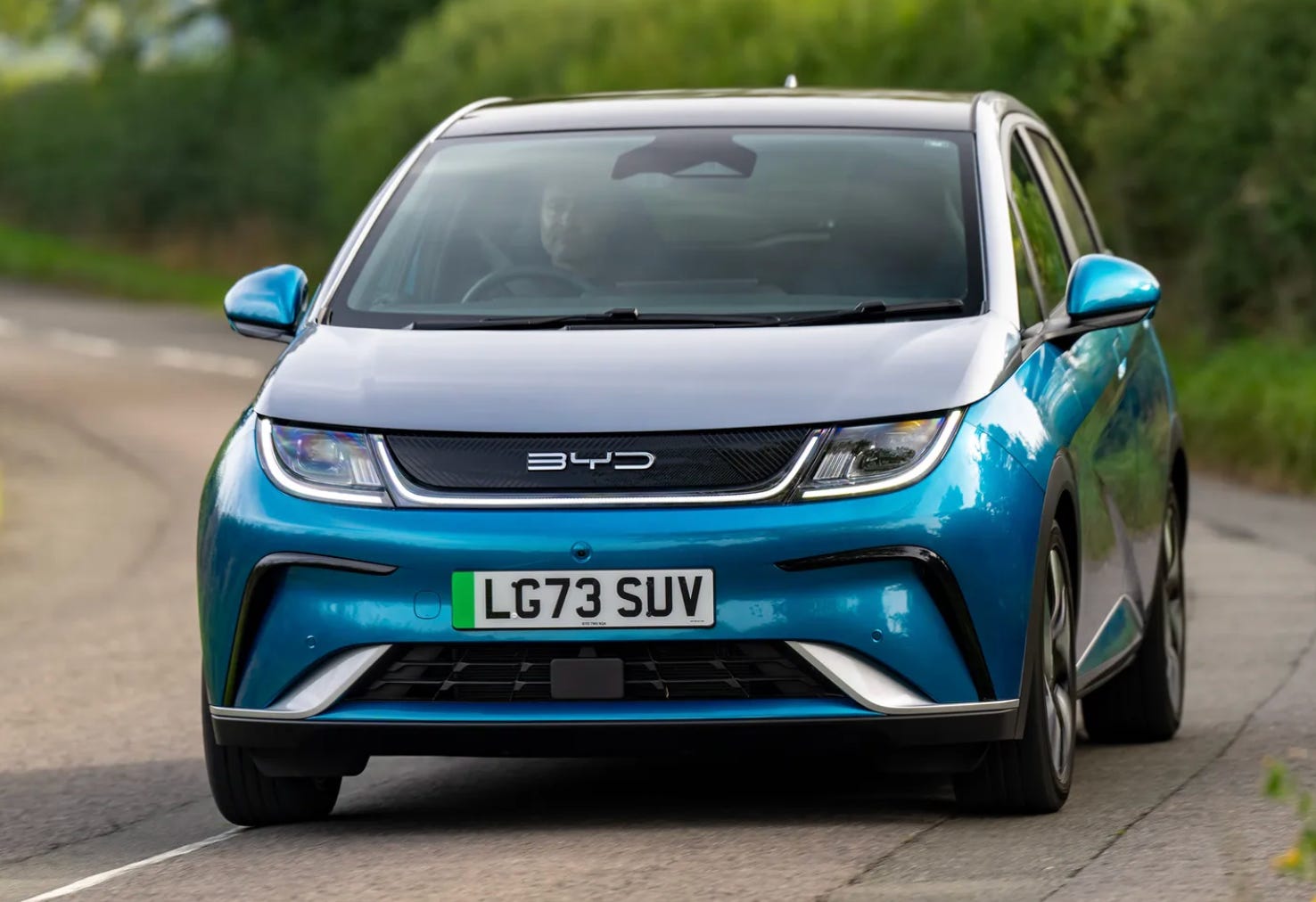
Surely, many consumers might applaud. If they are allowed in, Chinese cars could prove to be far cheaper than many American or European competitors. In 2023, China’s BYD company (for “Build Your Dreams”) launched its Dolphin hatchback EV in Mexico for just $31,000. It competes overseas with the VW I.D. 3, priced at $39,000 to $43,000, but not available in the U.S.
Back at home, the Chinese sell their cars for prices that would set the wheels spinning for Americans. The Dolphin sells for the equivalent of about $16,500 in China. And Canadians, under Carney’s new deal, will get reasonable bargains. By the end of the decade, at least half of the EVs imported would be required to have a price of about $26,000, according to the Wall Street Journal.
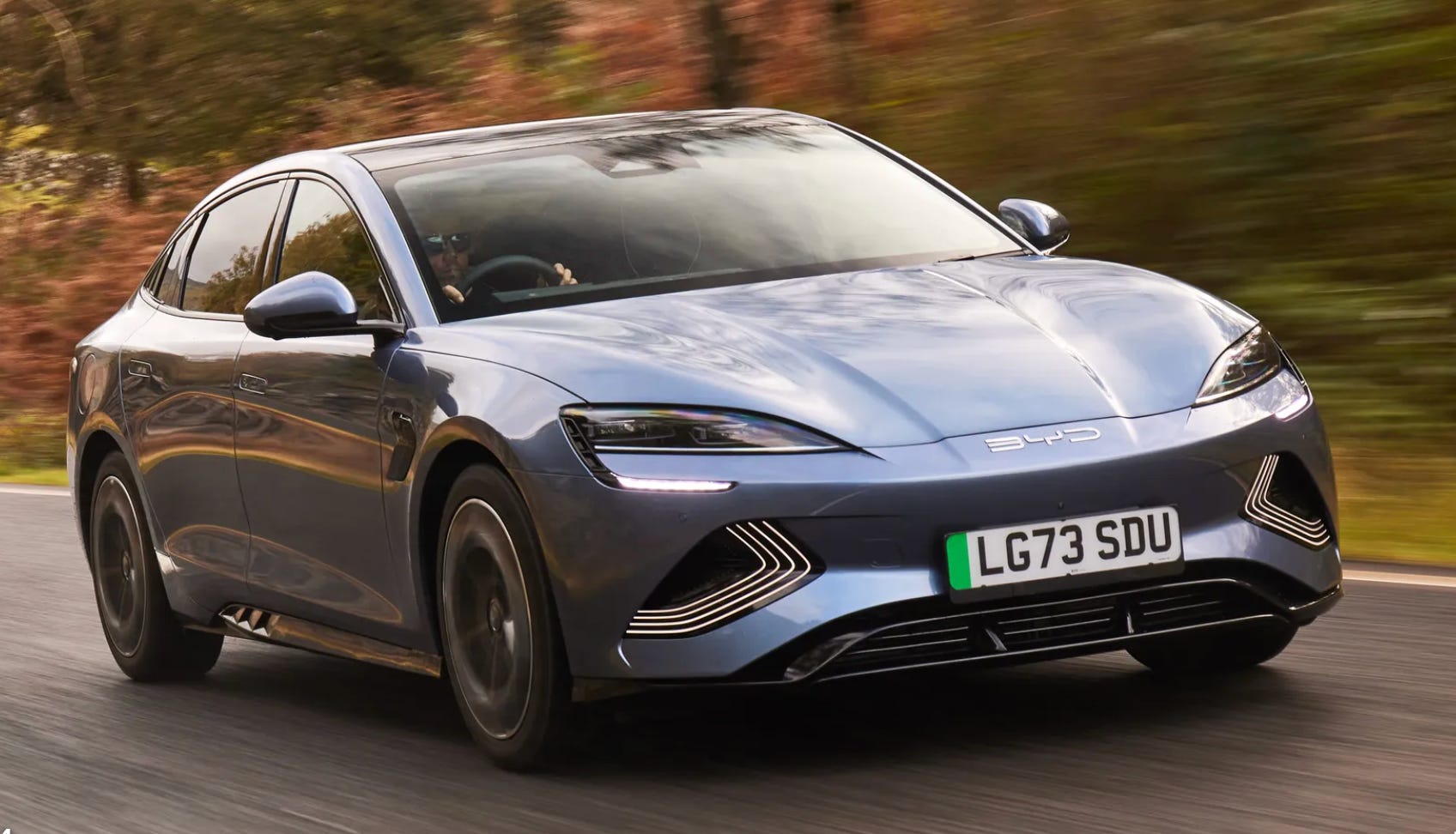
To be sure, the Canadians will likely fare better than European car buyers. In Germany, BYD gets more than $37,400 for the Dolphin and $48,000 for a fancier car, the Seal. The Seal competes most directly with the Tesla Model 3, which ranges in price in the U.S. up to $56,630.
If the Chinese build plants in the U.S., American labor costs might force the prices in the States higher. Still, the Chinese carmakers would labor mightily to undercut entrenched American brands and popular Asian and Europeans rivals.
Certainly, with EVs in the U.S. now costing about $57,000 and gas-powered models averaging about $48,700, new competition could add a lot of spice to the market — a bit of tang that U.S. carmakers would not welcome.
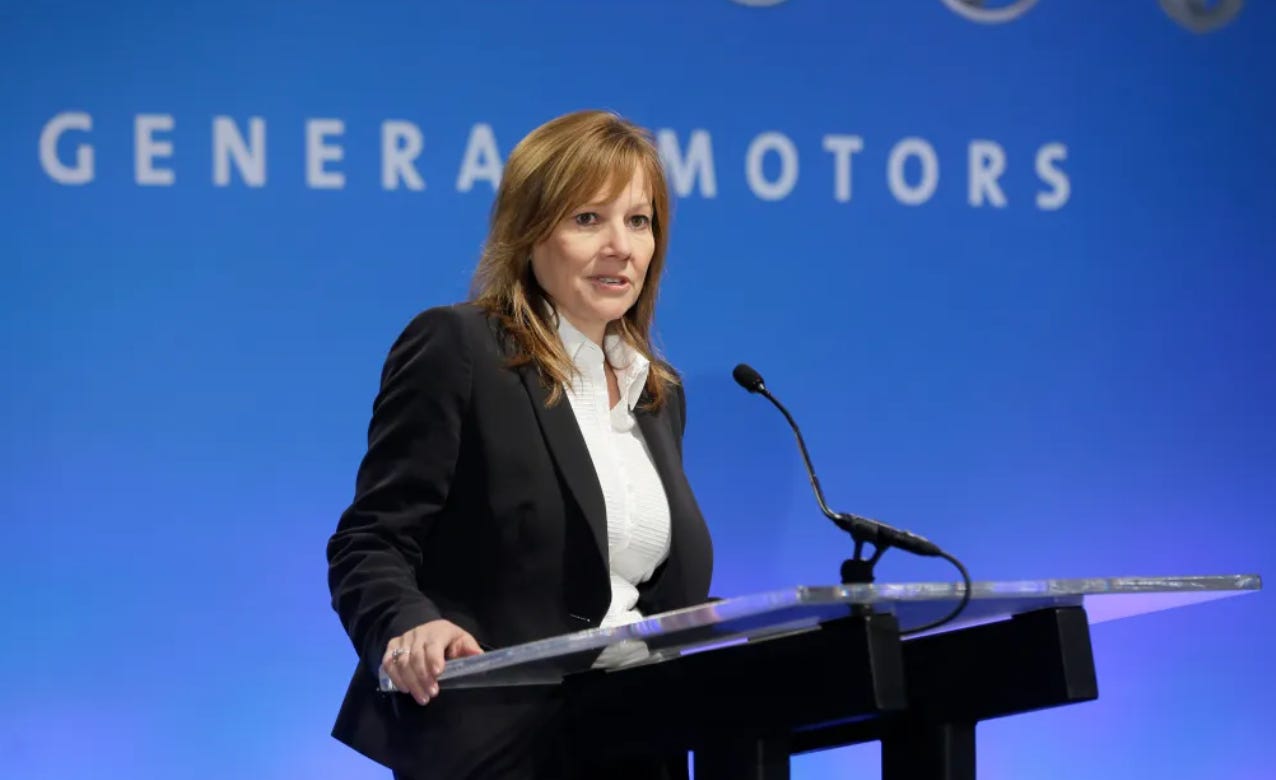
Already, U.S. carmakers – like the shoemakers of the mid-1980s — are keen to put the brakes on any Chinese advances. General Motors Chief Executive Mary Barra has warned that the Canadian deal is a risk for North American auto manufacturing, as The Wall Street Journal reported. She said Canada’s China deal, announced earlier this month, is counter to building a strong North American industrial base and to protecting jobs and national security on the continent.
“I can’t explain why the decision was made in Canada,” Barra said during an all-hands meeting with employees, the paper reported. “It becomes a very slippery slope.”
Given Chinese carmaker gains, that slope could be a steep one. Globally, BYD has already replaced Tesla as the world’s biggest EV seller, the WSJ reported. The Shenzhen-based automaker delivered more than a million vehicles outside China in 2025, the company said, more than double the previous year’s total. It surpassed Japan as the world’s No. 1 car exporter in 2023.
Is it surprising the GM executives are nervous? If BYD is ever allowed into the U.S., the homegrown companies will be forced to produce better and cheaper cars. So, too, will the European and Japanese carmakers who churn out their cars in the U.S. Every player will feel the squeeze.
Could the advances of the Chinese spell the end for all those producers, as Asian shoes did for so many American shoemakers? Unless the price disparities are far bigger than they are now, that seems unlikely. BYD and other Chinese brands could amount to just a few more names in an already crowded market. Toyota hasn’t killed GM.
In that sense, this doesn’t seem like a repeat of what was a nightmare for shoemakers.
Still, coming from nowhere, the Chinese have been extraordinary in matching the quality of far more established brands or even relative newcomers that have shaken up the industry (read: Tesla).
When a British car writer took a few spins in the BYD Seal a couple years ago, he was impressed. BYD “has made a car that’s good to drive, doesn’t cost the earth, looks great, and is a truly viable alternative to what’s out there,” Alex Goy wrote. “If your wallet was itching, and it happened to be sold where you live, the BYD Seal would almost certainly be on your list.”
His car review was headlined, in part, “If You Could Buy One, You’d Probably Want To.” Back in Reagan’s day, similar things might once have been said about foreign shoes. And, thanks to that president, we did get to buy them.